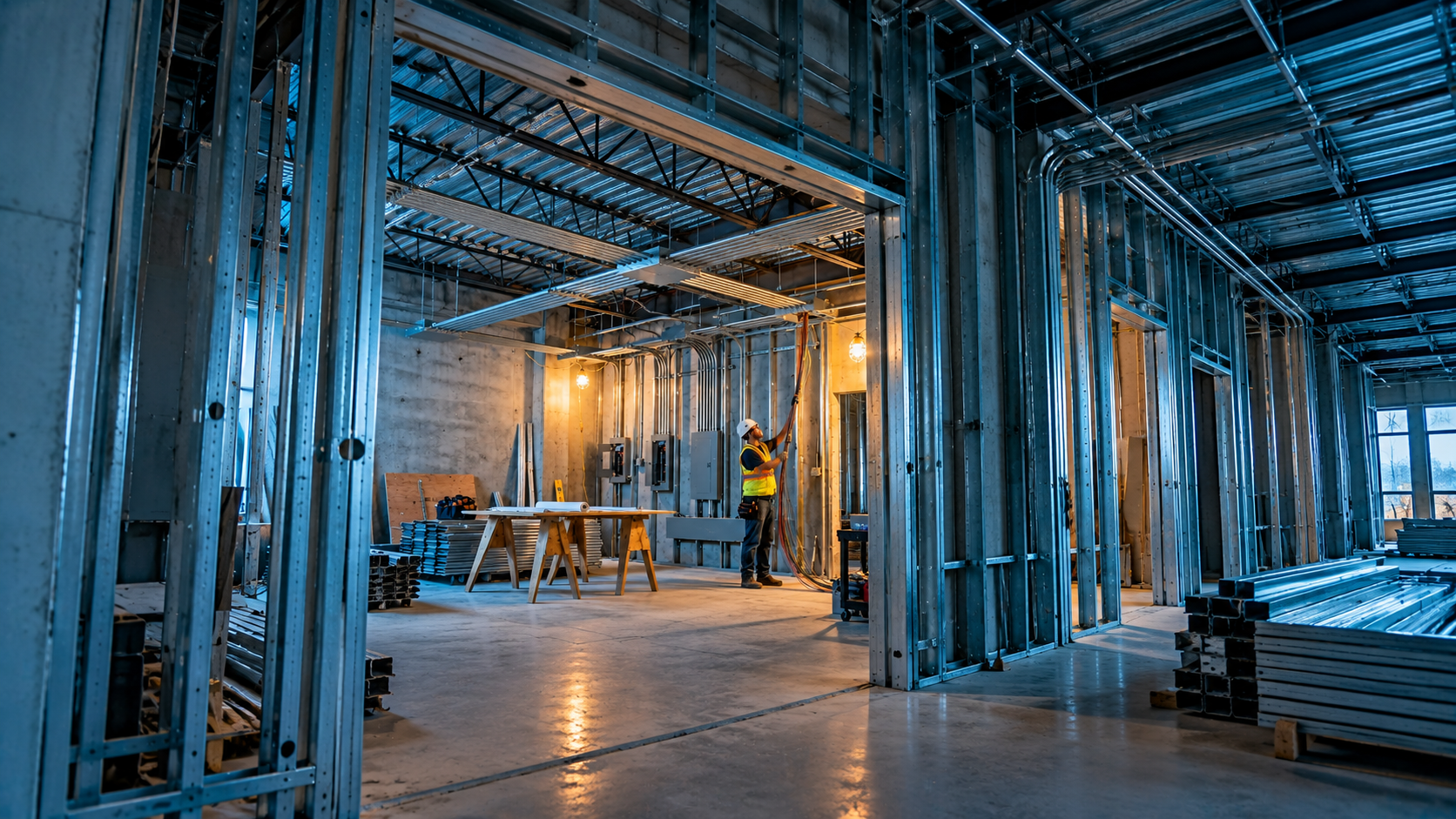
Encino restaurant electrical planning shapes how well a kitchen runs and how welcoming the dining room feels. Encino sits along Ventura Boulevard in the southwest San Fernando Valley, with busy strip centers, upscale plazas, and corner buildings full of cafés, sushi bars, delis, and family restaurants. When a new restaurant takes over a space, the electrical system often needs a major update. Ovens, hoods, coolers, and dishwashers all need the right power, and the dining room needs warm, flattering light. This guide explains how to plan kitchen power and lighting for a restaurant tenant improvement.
Owners, designers, and builders can use these steps to plan the job.
Why Restaurant Electrical Work Is Complex
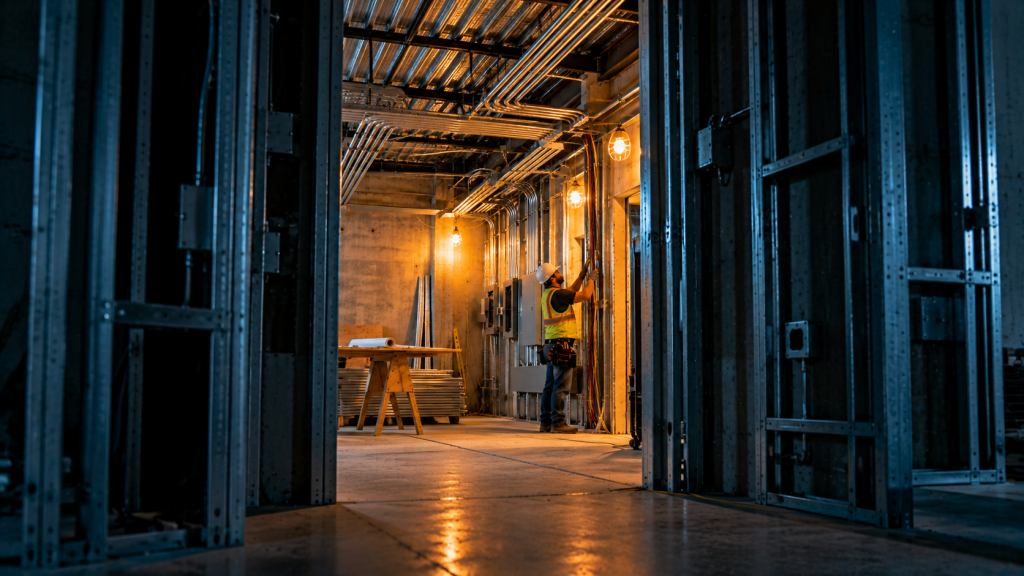
Restaurants use far more power than most retail shops. Commercial kitchens have many heavy loads that run at the same time. In addition, the fire suppression system, hoods, and refrigeration must work together. A small mistake can shut down the kitchen. So Encino restaurant electrical design takes careful planning.
Start Encino Restaurant Electrical With the Kitchen Plan
The kitchen layout drives the electrical design. First, the kitchen designer places every piece of equipment. Next, they prepare an equipment schedule with the voltage, phase, amps, and plug type for each item. Then the electrician plans circuits and outlets to match. Without a final kitchen plan, the wiring cannot be designed.
Check the Panel and Service
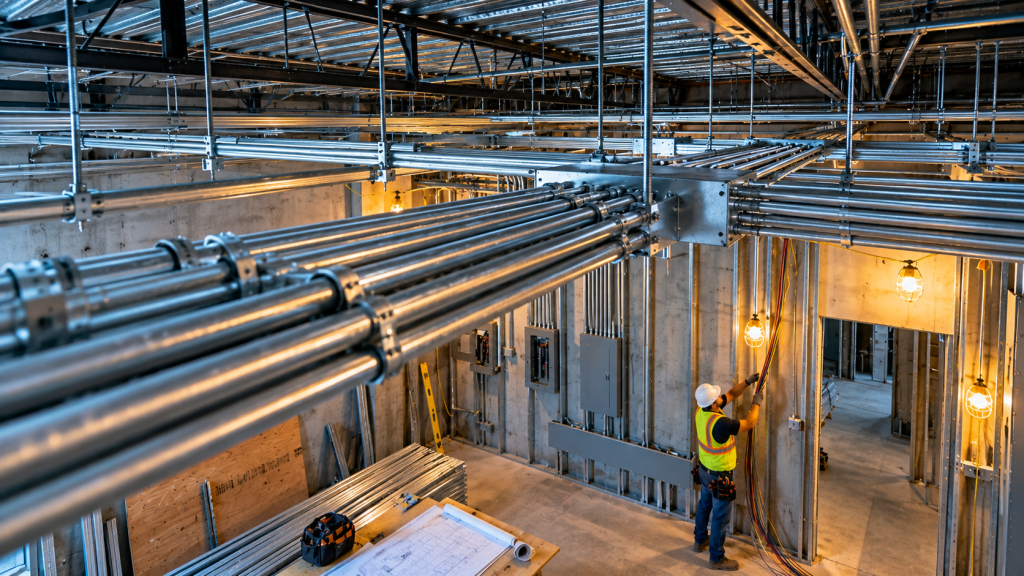
Many Encino restaurant spaces were once shops or offices. As a result, their panels may be too small for a full kitchen. So the electrician totals the kitchen load and checks it against the panel and service. When the space comes up short, the fix is a bigger panel or a new service. Bring LADWP in early, because their part of the job runs on their calendar.
Encino Restaurant Electrical for Cooking Lines
The cooking line holds the heaviest loads. Electric ovens, fryers, griddles, and induction tops usually call for heavy 208-volt circuits. Even gas units want a plug for their pilots, fans, and controls. Outlets and junction boxes must sit at the right height behind each item. Our page on restaurant electrician services explains common setups.
Encino Restaurant Electrical for Hoods
The kitchen hood needs power for exhaust and makeup air fans and for its lights. If the fire system trips, it also has to kill power to the cooking line. This usually means shunt-trip breakers or contactors. So the electrician, hood installer, and fire system contractor must coordinate. Inspectors test this link before the restaurant can open.
Refrigeration Power
Walk-in coolers, freezers, reach-ins, and prep tables keep food safe. Give each one its own circuit, so a fault on the line does not warm up the walk-in. Walk-in compressors often sit on the roof, which means long wire runs. In addition, some owners add alarms that alert staff if a cooler loses power. These small steps protect thousands of dollars in food.
Encino Restaurant Electrical for Dishwashing
Commercial dishwashers and their booster heaters draw heavy current. So give them large circuits of their own. Ask the dealer whether the machine and its booster take one feed or two. Outlets near sinks must have GFCI protection. Getting this right keeps the dish station running during the dinner rush.
Encino Restaurant Electrical in the Dining Room
Lighting sets the mood in the dining room. Warm, dimmable LEDs create a cozy feel for dinner. Brighter light suits a quick-service lunch spot. In addition, accent lights can highlight art, a bar, or a feature wall. Pendant lights over tables add style. So plan lighting layers with dimmers and scene controls. Our page on lighting control systems covers options.
Encino Restaurant Electrical and Title 24
State energy code caps lighting power and asks for controls. For example, kitchens and storage rooms may need occupancy sensors, and dining rooms near windows may need daylight controls. In addition, outdoor lights need automatic shutoff. The California Energy Commission publishes the standards. A designer who knows these rules avoids failed inspections.
Bars, Patios, and Outdoor Dining
Behind the bar, ice makers, back-bar coolers, blenders, and glass washers all want power. Patios need weather-rated outlets, heaters, and string lights. In addition, outdoor TVs and music need power and data. Encino enjoys mild weather much of the year, so patio dining is popular. Plan these circuits early so they fit the panel.
Coffee and Espresso Machines
Many Encino cafés build their menu around coffee. Espresso machines draw heavy power, often on a 208 or 240-volt circuit. Grinders, brewers, and water heaters add more. So place the coffee bar near the panel if you can, and give each machine the outlet its maker calls for. A coffee bar that trips breakers at 8 a.m. is a bad start to the day.
POS, Music, and Security
Modern restaurants rely on tablets, printers, and kitchen display screens. So plan power and data at the host stand, bar, and kitchen pass. In addition, security cameras, music systems, and Wi-Fi access points need power. A small battery backup keeps orders flowing during brief outages.
Plan the Panel Location
Where the panel sits matters. Staff should reach it fast if a breaker trips during service. Yet it should not sit in a wet or greasy spot. A hallway near the kitchen often works well. Also, keep the area in front of it clear, since code and safety both require open space.
Health Review and Permits
Restaurant projects need several approvals. The Los Angeles County health department reviews the kitchen plan. The county plan check program explains the steps. On the city side, Encino falls under LA’s building department, LADBS. Its reviewers want to see the equipment list, each panel schedule, and the energy compliance forms.
Keeping Energy Costs Down
Restaurants pay high power bills. So pick efficient gear with the ENERGY STAR label when you can. Also, add timers to signs and patio heaters, and use LED lights everywhere. The ENERGY STAR program lists efficient commercial kitchen equipment. Over a few years, these choices can save thousands of dollars.
Scheduling the Work
Rough-in wiring happens after framing and underground plumbing. Then walls, ceilings, and finishes go in. Next, equipment arrives and the electrician makes final connections. Finally, factory technicians start up hoods, coolers, and dishwashers. A meeting with all trades before delivery keeps the final weeks on track. It is the simplest way to keep Encino restaurant electrical work on time.
Budgeting Encino Restaurant Electrical
Costs depend on the size of the kitchen, the number of heavy loads, panel or service upgrades, and lighting design. A café with a small kitchen costs far less than a full-service restaurant with a bar and patio. So set a budget early and include a cushion for surprises. See our kitchen wiring cost ranges for a starting point.
Simple Tips for Restaurant Owners
- Lock in equipment models before wiring
- Give every cooler its own circuit
- Use warm, dimmable dining room lights
- Plan patio power before the panel is set
- Hold a meeting before equipment arrives
Encino Restaurant Electrical Checklist
- Finish the kitchen plan and equipment schedule
- Check panel and service capacity
- Plan circuits for the cooking line
- Coordinate hood fans and shunt trips
- Add dedicated refrigeration circuits
- Design layered, dimmable dining lighting
- Get health and LADBS approvals
Serve Guests Without a Hitch
When kitchen power and dining room lighting are planned together, a restaurant opens smoothly and runs well for years. With careful coordination, your Encino restaurant will be ready for its first service. See more on our LA tenant improvement electrical page, or call our team to plan your kitchen.