
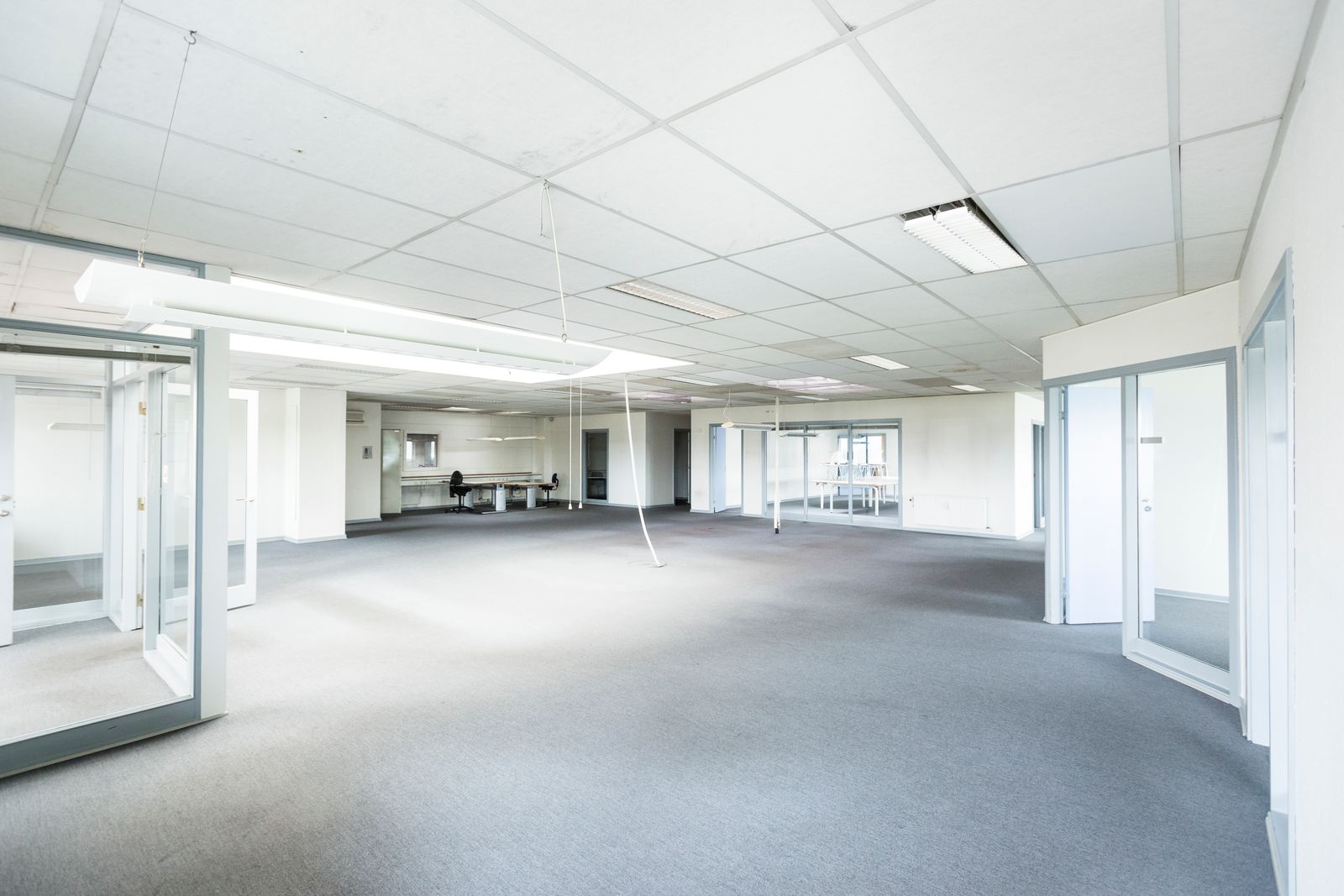
Mission Valley office electrical work gets tricky when other tenants are still working on the floors above, below, and next door. Mission Valley is one of San Diego’s busiest business areas, with office towers and mid-rise buildings along Interstate 8, Hazard Center, and Camino del Rio. Many of these buildings stay full while one suite is renovated. That means the electrician must upgrade power and lighting without cutting off neighbors, filling halls with dust, or making noise during meetings. Here is how to plan the electrical side of a renovation while neighbors stay at work.
Office tenants, property managers, and contractors will find practical steps here to keep everyone working while the job moves ahead.
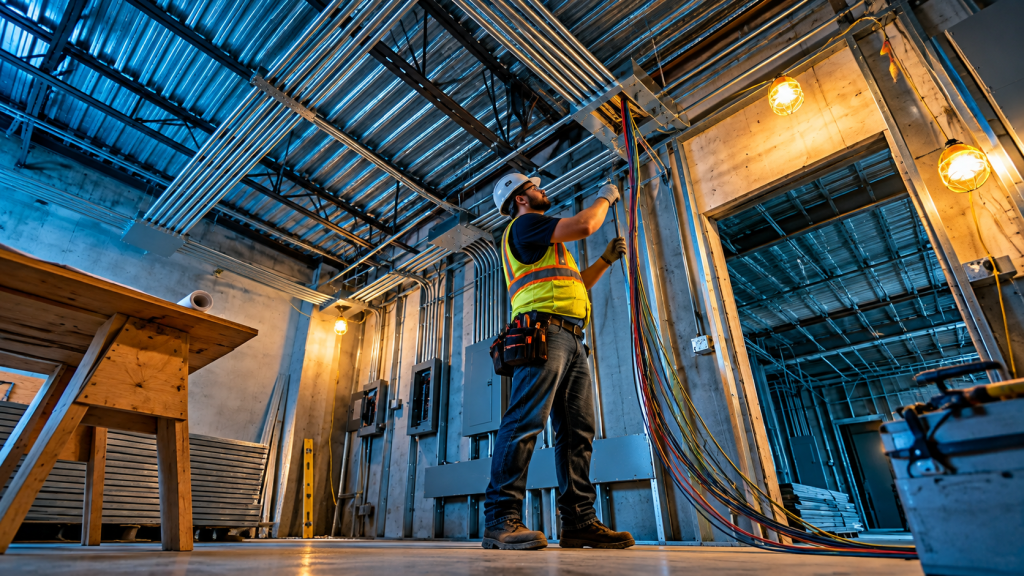
Why Occupied Buildings Need Extra Planning
In an empty building, crews can shut off power, run loud tools, and stage materials in the halls. In an occupied one, they cannot. Other tenants have clients, calls, and deadlines. So every step must respect their space and their schedule. In addition, the building’s electrical system is shared. A mistake in one suite can trip power for a whole floor.
Start Mission Valley Office Electrical With the Building Rules
Most office buildings have a set of rules for contractors. These cover work hours, noise limits, elevator use, parking, and insurance. So ask the property manager for this packet first. In addition, find out who must approve shutdowns and how much notice they need. Following the rules from day one builds trust with the building team.
Survey the Existing System
Next, walk the suite and the electrical rooms with your electrician. Check the panels that serve the suite, their size, and their spare capacity. Also, trace which circuits feed which areas. In older buildings, circuits sometimes cross suite lines. For example, a hallway light may run off a panel in your space. Finding these links early prevents surprise outages for neighbors.
Planning Shutdowns in Mission Valley Office Electrical Work
Some tasks need power off, such as adding breakers or tying into a feeder. So plan these shutdowns with care. First, keep them as short as possible. Next, schedule them at night or on weekends. Also, give other tenants written notice well ahead of time. If servers or medical gear depend on the circuit, plan temporary power. A smooth shutdown keeps the building team on your side.
Noise and Dust Control
Core drilling, cutting, and chasing walls are loud and dusty. So save the noisiest work for after hours. In addition, seal the work area with plastic and use tools with dust collection. Cover return air grilles so dust does not spread through the HVAC. A clean, quiet job site protects neighbors and keeps complaints low.

Working Above Ceilings
Much of the electrical work in offices happens above the ceiling grid. However, the space above your suite may hold pipes, ducts, and cables for other floors. So map what is up there before running new conduit. Also, avoid lifting tiles in neighbor spaces without permission. Fire-rated walls and floors must be sealed again after any new opening. Inspectors check this closely.
Mission Valley Office Electrical for Modern Layouts
Today’s offices need more outlets and data than older layouts did. Open work areas need power at the desks, often through floor boxes or furniture feeds. Meeting rooms need power for screens and video gear. In addition, phone rooms and focus rooms need their own lights and outlets. Our page on data and low-voltage cabling covers the network side of the job.
Lighting Upgrades and Controls
Older offices often have fluorescent fixtures with yellowed lenses. LED fixtures cut power use and give clearer light. Also, California’s Title 24 code requires controls like occupancy sensors, daylight dimming near windows, and after-hours shutoff. The California Energy Commission explains these rules. Modern controls also make the space more comfortable.
Keeping Exits and Life Safety Working
Exit signs, emergency lights, and fire alarm devices must keep working during the job. So plan any changes to them carefully. For example, if a ceiling comes down, temporary exit lighting may be needed. Also, fire alarm work often requires a separate contractor and the building’s fire panel vendor. Coordinate these early, since the fire marshal may need to approve changes.
Mission Valley Office Electrical Permits
In Mission Valley, the City of San Diego’s Development Services Department reviews electrical work. The plan set needs circuits, panel schedules, fixtures, controls, and the state energy forms. You can find submittal steps on the San Diego Development Services website. Most landlords also sign off on drawings first.
Mission Valley Office Electrical During Phased Moves
Some tenants stay in part of their suite while the rest is rebuilt. In that case, the work happens in phases. First, the crew finishes one half while staff work in the other. Then everyone moves, and the crew starts on the second half. Each phase needs its own temporary lights, outlets, and network links. So plan the circuits so that one area can stay live while the other is dark. Clear labels in the panel make each switch-over quick and safe.
Communication Keeps the Peace
Clear communication is the key to working in an occupied building. Post a schedule in the lobby or send weekly emails to tenants. In addition, give neighbors a contact name and phone number for questions. When something goes wrong, respond fast. Tenants are far more patient when they know what is happening and who to call.
Safety for Everyone
Crews share halls, elevators, and restrooms with office workers. So keep tools and cords out of walkways. Also, lock electrical rooms when no one is inside, and post signs at the work area. Never leave open panels unattended. A safe job site protects both the crew and the public.
Scheduling Mission Valley Office Electrical Work
Many crews split the work into day and night tasks. Quiet jobs, like pulling wire and setting devices, can happen during the day. Loud jobs and shutdowns happen after hours. In addition, deliveries should arrive early in the morning before tenants arrive. Our page on commercial electrical tenant improvements explains how projects move from start to finish.
Budgeting for Occupied Work
Work in an occupied building usually costs more. After-hours labor, extra protection, and short shutdowns all add time. However, these costs are small compared to the cost of angry tenants or a lawsuit. So plan for them from the start. Our guide to electrical cost ranges can help with early numbers.
Quick Tips for Office Tenants
- Ask for the building contractor rules first
- Plan shutdowns at night or on weekends
- Seal work areas and cover return air grilles
- Keep exit lights and fire alarms working
- Give neighbors a name to call with questions
Mission Valley Office Electrical Checklist
- Review building rules and shutdown approvals
- Survey panels, circuits, and shared links
- Plan power and data for the new layout
- Upgrade lighting and meet Title 24 controls
- Coordinate life safety and fire alarm work
- Submit plans to the owner and the city
- Split work into quiet day and loud night tasks
Upgrade Without Disruption
With careful planning, an office suite can get new power and lighting while the rest of the building keeps running. Respect for neighbors, smart scheduling, and clear communication make the difference. For more local work, read about our Kearny Mesa electrical project, or reach out for a quote.