Hillcrest retail lighting can make a small shop on University Avenue or Fifth Avenue feel like a destination. Hillcrest is one of San Diego’s most walkable neighborhoods, packed with boutiques, coffee bars, salons, vintage stores, and galleries. Many of these shops sit in older buildings with tired wiring and dim, buzzing fixtures. When a new tenant moves in, the lights and power often need a full refresh. This guide explains how to plan lighting and electrical upgrades before a retail renovation starts, so the store looks great and the work passes inspection.
This guide is for shop owners, landlords, and builders who want to plan the job and avoid surprises.
Why Lighting Sells in Hillcrest
Hillcrest shoppers browse on foot. They glance into windows, compare displays, and step inside when something catches their eye. Good light makes colors pop and textures stand out. In contrast, flat or flickering light makes even great products look cheap. So Hillcrest retail lighting is not just a utility. It is part of your brand and your sales plan.
Start Hillcrest Retail Lighting With a Walkthrough
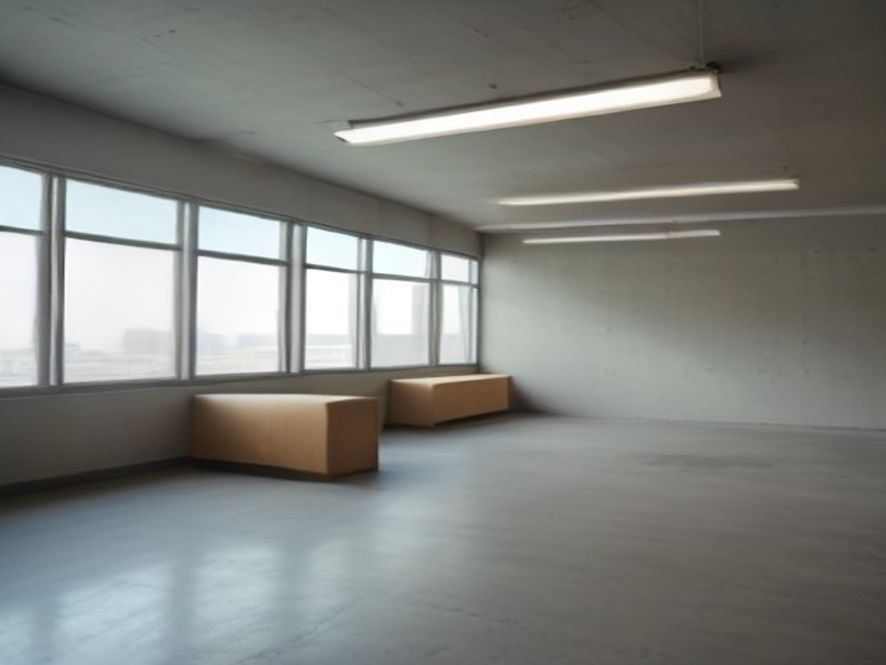
Before you pick fixtures, walk the space with a licensed electrician. First, find the panel and check its size, age, and open breaker spaces. Next, look at the existing fixtures, switches, and outlets. Also, note any scorch marks, loose covers, or extension cords, since these point to deeper problems. Finally, ask the landlord for any old drawings. This short visit shapes the whole design.
Old Buildings, Old Wiring
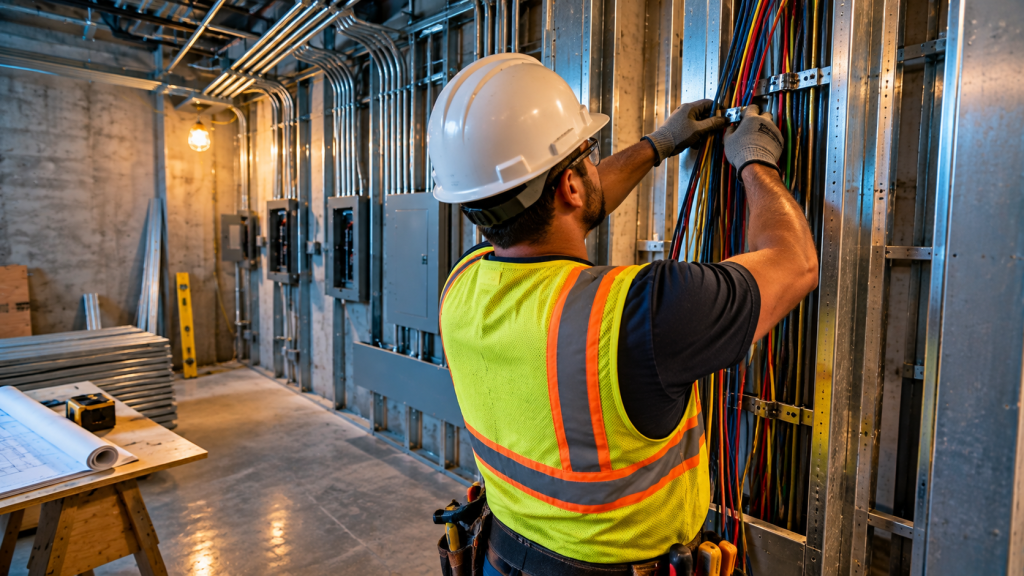
Many Hillcrest storefronts date back to the 1920s through the 1960s. Some still have cloth-covered wire, ungrounded outlets, or small fuse panels. These systems were never meant for modern lighting, signs, and electronics. As a result, a renovation may need new circuits, a larger panel, or even new service from the utility. Finding this early keeps the budget honest.
Planning Layers of Hillcrest Retail Lighting
Great stores use layers of light. Ambient light fills the room so people can move around safely. Accent light, like track heads and spotlights, makes key products shine. Task light helps staff at the counter and in the back room. In addition, decorative fixtures such as pendants add style. When each layer has its own circuit and control, the owner can set the mood for day and night.
Hillcrest Retail Lighting With LED Fixtures
Today, nearly every new store uses LEDs. They use far less power than older lamps, last for years, and run cool. Also, they come in many color temperatures. Warm white suits clothing and gift shops, while neutral white works well for salons and tech stores. Look for a high color rendering index, often called CRI, so products look true to life. Cheap LEDs can make skin tones and fabrics look gray.
Window Displays After Dark
Hillcrest stays lively at night, with diners and bar crowds walking past closed shops. A lit window keeps selling after hours. So plan a separate circuit for window displays, tied to a timer or a photocell. In addition, aim fixtures so they light products without glaring into the eyes of people on the sidewalk. Good Hillcrest retail lighting turns a glowing window into free advertising every evening.
Hillcrest Retail Lighting and Title 24 Controls
California’s Title 24 code sets limits on lighting power and requires certain controls. For example, most retail spaces need occupancy sensors in back rooms, daylight controls near large windows, and automatic shutoff after hours. Display lighting often needs its own controls too. The full rule book lives on the California Energy Commission website. A designer who knows these rules will build them into the plan from day one.
Power for Signs, Registers, and Displays
Lighting is only part of the job. Stores also need outlets for point-of-sale stations, phone chargers, music, security cameras, and lighted shelves. So map every device on the floor plan. Place outlets where displays will sit, not just along the walls. Also, plan a dedicated circuit for the exterior sign. A little extra capacity now saves costly add-ons later.
Checking Panel Capacity
Every new light and outlet adds load to the panel. Your electrician will add up the expected load and compare it to the panel rating. If the numbers are close, an upgrade may be needed. In some cases, swapping old fixtures for LEDs frees up enough capacity to avoid a larger panel. Our page on electrical service upgrades explains what is involved when more power is needed.
Hillcrest Retail Lighting in Historic Settings
Some Hillcrest buildings have historic facades, tin ceilings, or exposed brick. These features add charm, yet they make wiring harder. For example, surface conduit may be the only way to run new circuits without damaging a plaster ceiling. In that case, choose paintable conduit and plan neat, straight runs. Also, ask the landlord about any rules for exterior lights and signs.
Permits From the City
Because Hillcrest belongs to San Diego, the city’s permit office handles the electrical permit. Most lighting and power upgrades in a tenant space need a permit and an inspection. The plans should show fixtures, circuits, panel schedules, and the energy forms for Title 24. You can learn about the process on the San Diego Development Services site. Plan review times vary, so submit early.
Working With SDG&E
If the job needs a new meter or a bigger service, the utility gets involved. The utility, San Diego Gas & Electric, picks the meter spot and books the hookup. That process often runs for weeks, sometimes months. So call SDG&E the moment your electrician flags a bigger service.
Scheduling the Work
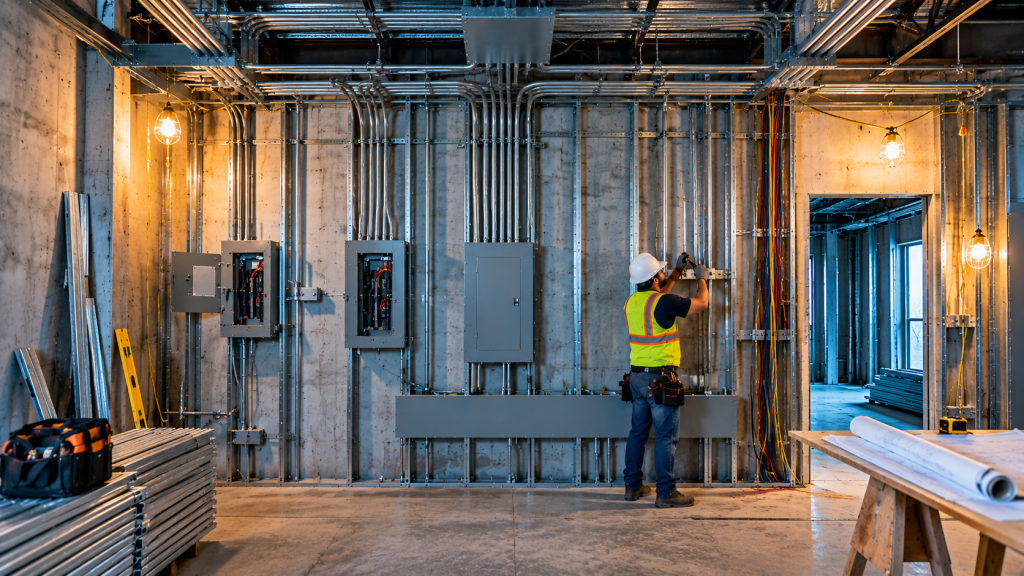
Electrical rough-in happens after framing and before drywall. Then fixtures go in near the end, once ceilings and paint are done. In addition, the electrician must finish before the final inspection. Our page on build-out electrical work shows how the trades fit together. A clear schedule keeps the opening date on track.
Budgeting Hillcrest Retail Lighting
Costs depend on the number of fixtures, the control system, panel work, and the condition of the old wiring. For instance, a simple swap to LED troffers costs far less than a full track and pendant design with dimming. In addition, older buildings often hide extra work behind the walls. So keep a small cushion in the budget. For ballpark numbers, see our cost per square foot page.
Simple Tips for Owners
- Pick one warm color temperature and stick with it
- Put window lights on their own timer
- Ask for dimmers on accent and pendant circuits
- Add outlets where displays will sit
- Keep a few spare breaker spaces for later
Hillcrest Retail Lighting Checklist
- Tour the suite with an electrician first
- Plan ambient, accent, task, and decorative layers
- Choose high-CRI LED fixtures
- Meet Title 24 control rules
- Map power for signs, registers, and displays
- Confirm panel capacity and utility needs
- Submit plans to the city early
Let Your Store Shine
Thoughtful lighting and solid wiring help a Hillcrest shop stand out on a busy, walkable street. With a careful walkthrough, a layered design, and the right permits, your store will glow on opening day and every night after. For nearby examples, read about our North Park restaurant electrical project, or contact our team for a quote.