
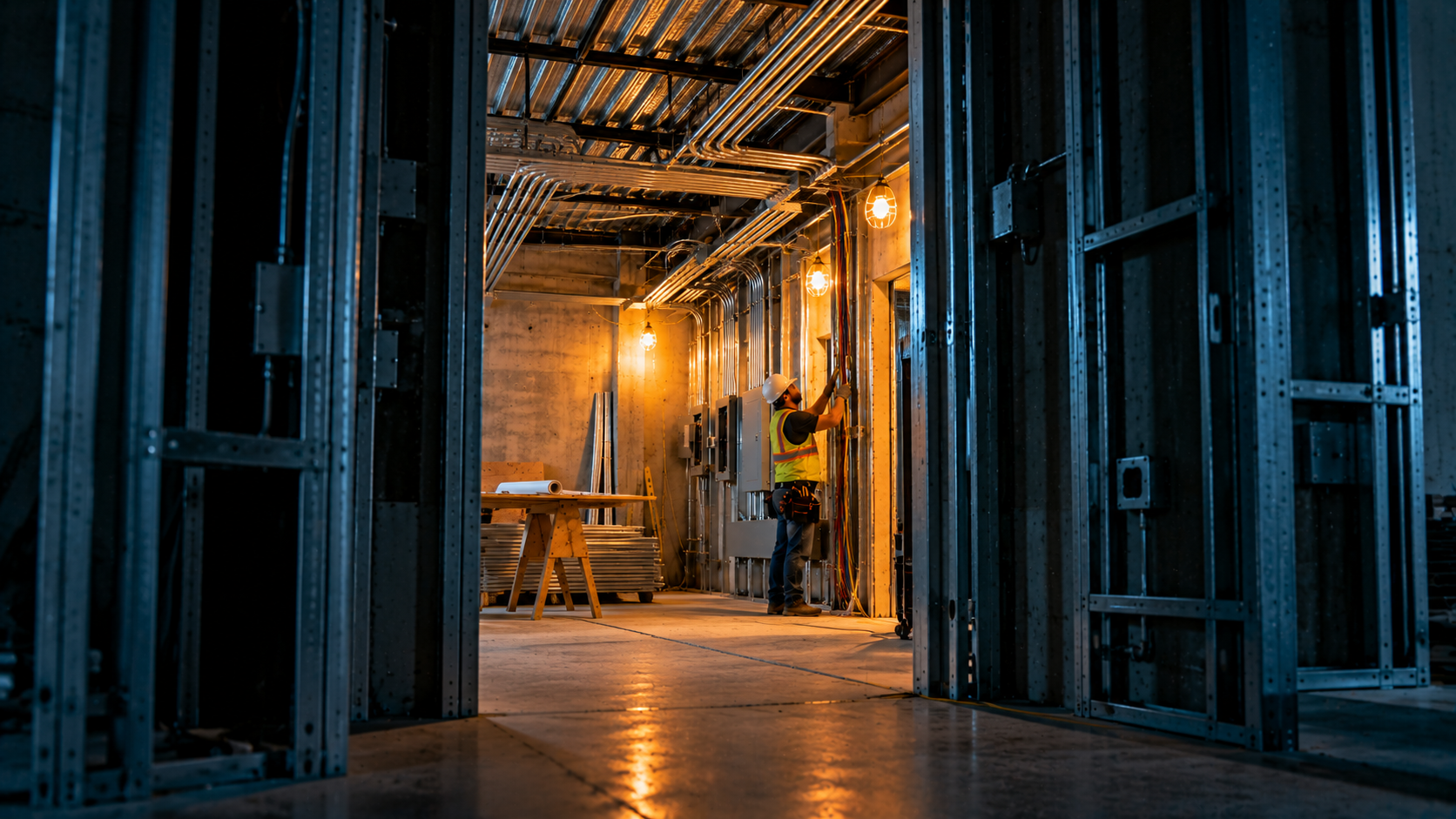
Mill Avenue retail electrical work comes with its own set of challenges. Tempe’s Mill Avenue District mixes century-old brick buildings with newer mixed-use towers. It sits steps from Arizona State University and Tempe Town Lake, so foot traffic is heavy and storefronts change often. A new shop must move in fast, look great, and meet every code. Yet older buildings may have small services, hidden wiring, and tight ceilings. This guide explains how to plan a retail electrical tenant improvement in the district, from first walk-through to grand opening.
Retail owners, franchise teams, and property managers in downtown Tempe can use it to avoid delays and surprises.
What Makes Mill Avenue Retail Electrical Work Different
The Mill Avenue District is one of the oldest commercial areas in the Valley. Some buildings date back more than a century. Others went up in the last twenty years. As a result, one block can hold very different electrical systems.
Older buildings may have limited power, crowded panels, and wiring hidden in brick walls. Newer buildings may have plenty of power but strict rules from the landlord or homeowners association. Either way, Mill Avenue retail electrical planning starts with a close look at the space.
Step 1: Inspect the Existing System
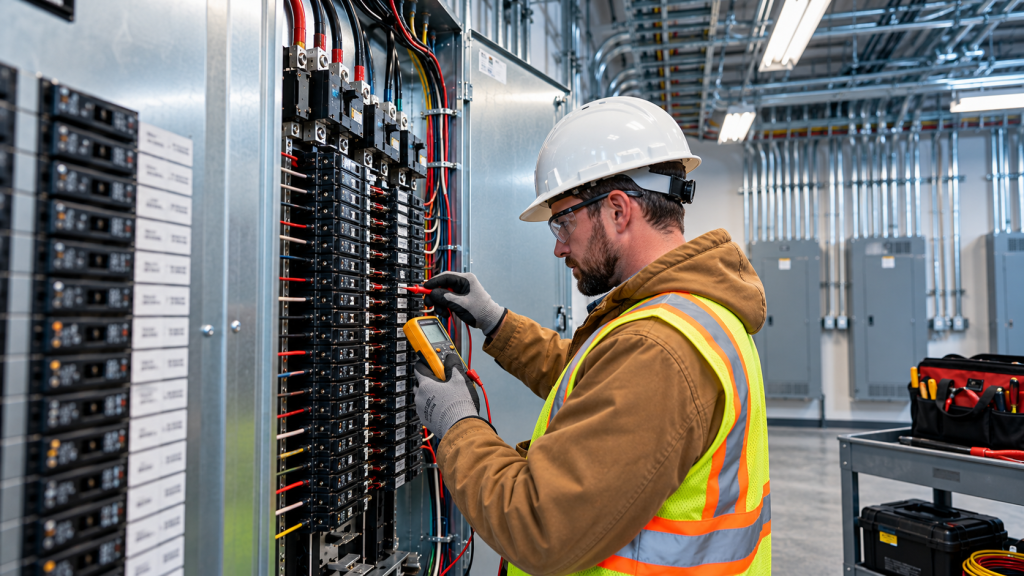
First, have a licensed electrician inspect the suite. They will check the service size, panel condition, and existing circuits. They will also look for old wiring, missing grounds, and abandoned equipment. In historic buildings, they may find work done by many different contractors over the years.
Take photos and keep notes. These records help your designer, your landlord, and your budget throughout the project.
Step 2: Match Power to Your Store
Next, compare your needs with the available power. A clothing boutique needs mostly lighting and outlets. A smoothie shop or phone repair store needs more. Think about:
- Display and accent lighting
- Registers, tablets, and card readers
- Digital signs and screens
- Coolers, blenders, or small appliances
- Security cameras and alarms
- Charging stations for customers
The electrician will run a load calculation. If the service is too small, you may need a panel or service upgrade.
Mill Avenue Retail Electrical Lighting
Lighting sells products. It also helps your store stand out on a busy street. Use bright, even light for the sales floor. Then add accent lights to draw eyes to key displays. In addition, plan window lighting that looks great at night, when the district fills with diners and students.
Choose LED fixtures with good color quality. They save energy and make products look true to life. Also plan code-required controls, such as automatic shutoff after hours.
Working in Older Buildings
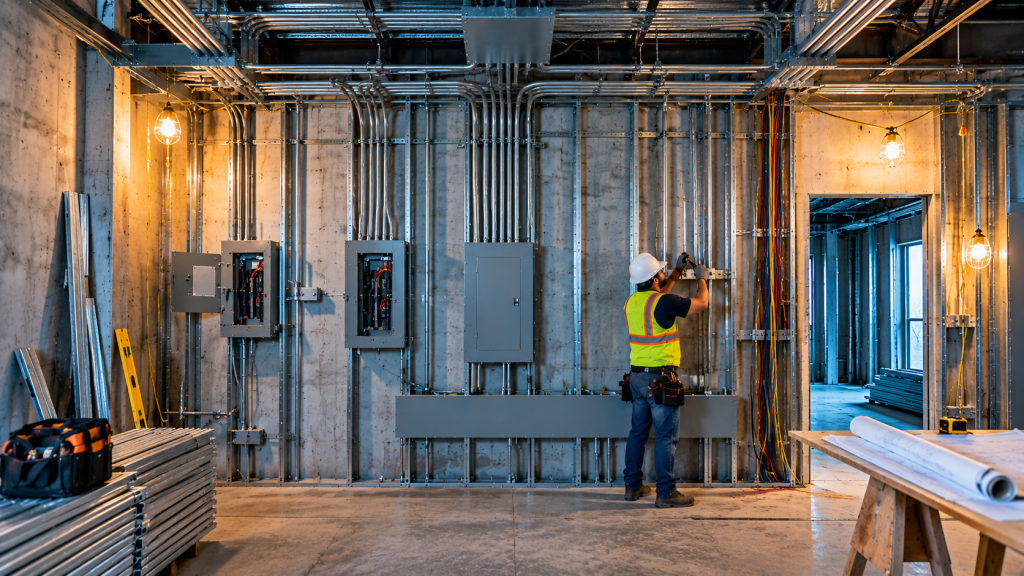
Historic buildings need extra care. Thick brick walls make it hard to run new wires. Ceilings may be low or decorative. So electricians often run new circuits in surface raceways or through new soffits. This keeps the building’s character while adding modern power.
Some buildings may also face rules about exterior changes. If you plan new signs or storefront lighting, check with the city first.
Permits for Mill Avenue Retail Electrical Work
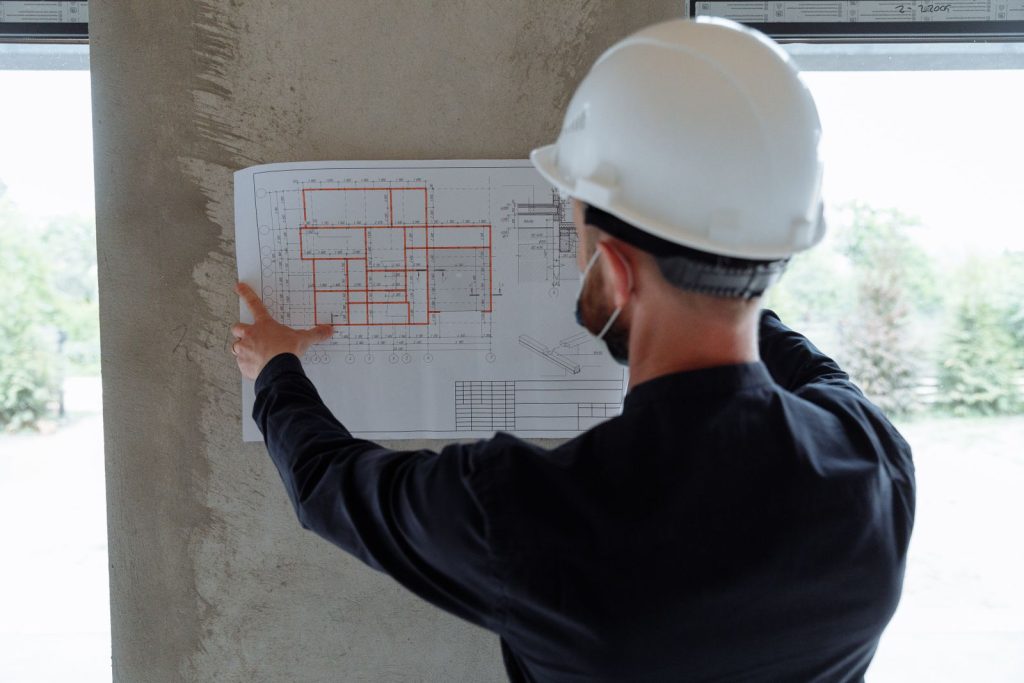
Most retail tenant improvements in the district need a permit from the City of Tempe. Electrical plans usually include a lighting layout, power plan, and panel schedule. Signs often need their own permit. So plan time for review in your schedule. Many owners hire a designer who knows Tempe’s process, which can speed things up.
Step 3: Schedule Around Events and Crowds
Mill Avenue hosts festivals, game-day crowds, and busy weekends. Parking and loading zones fill up fast. So plan deliveries and noisy work for quiet times, such as early mornings on weekdays. Also coordinate any power shutdowns with the landlord and neighboring shops.
Step 4: Signs and Storefront Power
Your sign is your first impression. It needs its own circuit, usually switched by a timer or a light sensor. So decide where it goes early. Then the electrician can run power and mounting before the sign arrives. Storefront window lighting may need its own circuit too.
Mill Avenue Retail Electrical Costs
Costs depend on the building, the size of the store, and your design. Key drivers include:
- Panel or service upgrades
- How many fixtures you choose, and which styles
- Code-mandated controls
- Surface raceways in historic buildings
- Sign and window lighting circuits
- After-hours work around neighbors
Ask your landlord how much of the electrical work the tenant improvement allowance covers. Our cost guide offers more detail.
Working With Landlords in the District
Landlords in downtown Tempe often have their own rules. For example, some require approved contractors or set quiet hours for work. Others control access to electrical rooms and rooftops. So read the work letter in your lease closely. Then share it with your electrician before they bid. As a result, the price includes every rule, and there are fewer surprises once work begins.
Security and Late-Night Hours
Mill Avenue stays busy late into the night. So security matters. For example, cameras at the entry and register help deter theft. Likewise, motion lights at back doors make staff feel safer at closing time. In addition, alarm panels and door contacts need power and wiring. Therefore, plan these items with your electrician from the start. As a result, the walls and ceilings stay clean, with no messy wires added later.
Mill Avenue Retail Electrical for Student-Focused Shops
Many shops near ASU serve students. Students expect to charge phones and laptops while they browse or wait. So consider adding charging spots near seating areas or counters. Similarly, cafes and study-friendly stores may need outlets at every table. Of course, these extra circuits add load. Still, they can bring in more foot traffic. In short, Mill Avenue retail electrical planning should match the habits of your customers. Finally, ask your electrician about USB outlets, which make charging simple and tidy.
Common Mistakes to Avoid
- Signing a lease without checking the panel
- Assuming old wiring can stay without testing it
- Planning signs after the electrician leaves
- Scheduling loud work during big events
- Forgetting outlets for seasonal window displays
Choosing a Mill Avenue Retail Electrical Contractor
Pick a licensed commercial electrician with retail and historic building experience. Ask for local references in Tempe, and call at least two of them. Also confirm their state license through the Arizona Registrar of Contractors. A team that knows downtown Tempe, its landlords, and its inspectors will help you open faster. For general safety rules on job sites, see the OSHA website.
FAQ on Mill Avenue Retail Electrical Projects
How long does a Mill Avenue retail electrical build-out take?
Small shops often finish on site in two to four weeks. However, city review adds time before that.
Can old wiring stay in place?
Sometimes, if testing shows it is safe, sound, and up to current code. Often, at least some of it needs replacing.
Do signs need a separate permit?
Usually, yes. Check with the City of Tempe before you order. Also confirm any landlord sign rules, since many buildings in the district control size, color, and lighting style for every storefront on the block.
Open Your Store With Confidence
A clear plan helps your Mill Avenue store open on time. Visit our build-out services page, or contact our team today.