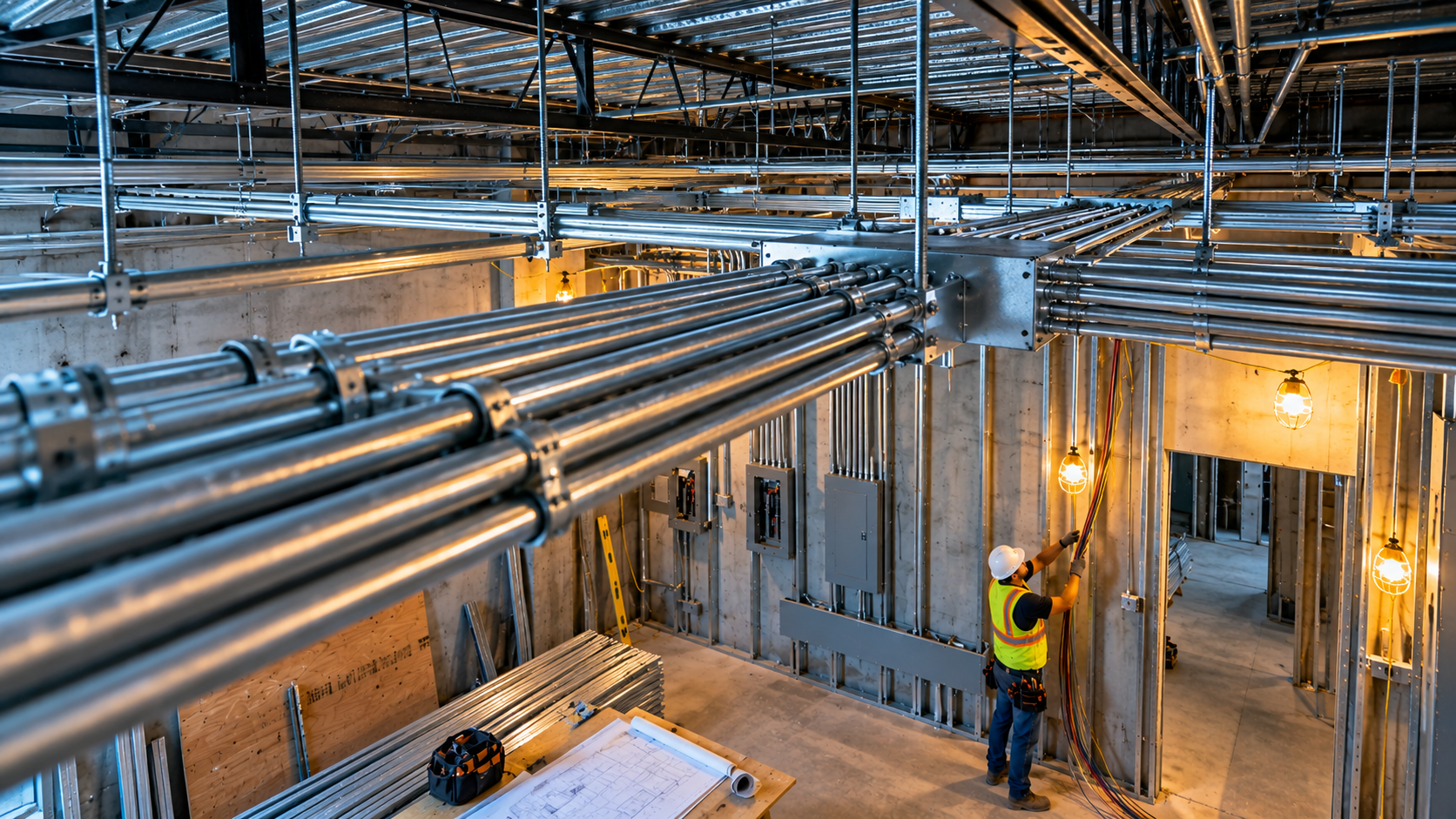
The Phoenix metro has become one of the country’s hottest markets for large commercial construction. Semiconductor plants, data centers, and huge distribution hubs are rising across the Valley. These projects need far more power than a typical office or store. As a result, Phoenix Scottsdale electrical contractors are taking on bigger, more complex work than ever before. This article explains what large projects demand, how they differ from smaller jobs, and what owners should look for in an electrical partner.
The Rise of Large Projects in the Valley
Several forces are driving growth. First, land is still available. Second, business costs are competitive. In addition, major manufacturers have chosen the region for new plants. Well-known chip makers have invested heavily in north Phoenix and Chandler. Data center developers are building campuses in Mesa, Chandler, and the West Valley.
Meanwhile, logistics companies keep adding warehouses along the I-10 and Loop 303 corridors. Each of these facilities needs power on a massive scale. That demand is reshaping how Phoenix Scottsdale electrical contractors plan, staff, and manage their work.
Data Centers Built by Phoenix Scottsdale Electrical Contractors
Data centers are some of the most power-intensive buildings anywhere. For example, they need large utility services, big switchgear, transformers, battery backup, and generators. Most designs also include redundant paths, so no single failure can shut down servers.
Cooling also adds to the challenge. In a desert climate, cooling systems work hard for much of the year. Therefore, the electrical design must support both IT loads and very large mechanical loads. In addition, testing is intense. Before a data hall goes live, every component is tested under load to prove it works as designed.
Manufacturing and Semiconductor Facilities
Advanced manufacturing brings a different set of needs. For instance, production tools often need clean, steady power. Some tools also need special voltages. Meanwhile, clean rooms need close teamwork between electrical, mechanical, and process crews.
These projects also bring many specialty trades working side by side. Schedules are tight, and safety rules are strict. Phoenix Scottsdale electrical contractors on these jobs must manage large crews, detailed documentation, and constant coordination meetings.
Warehouses and Logistics Centers
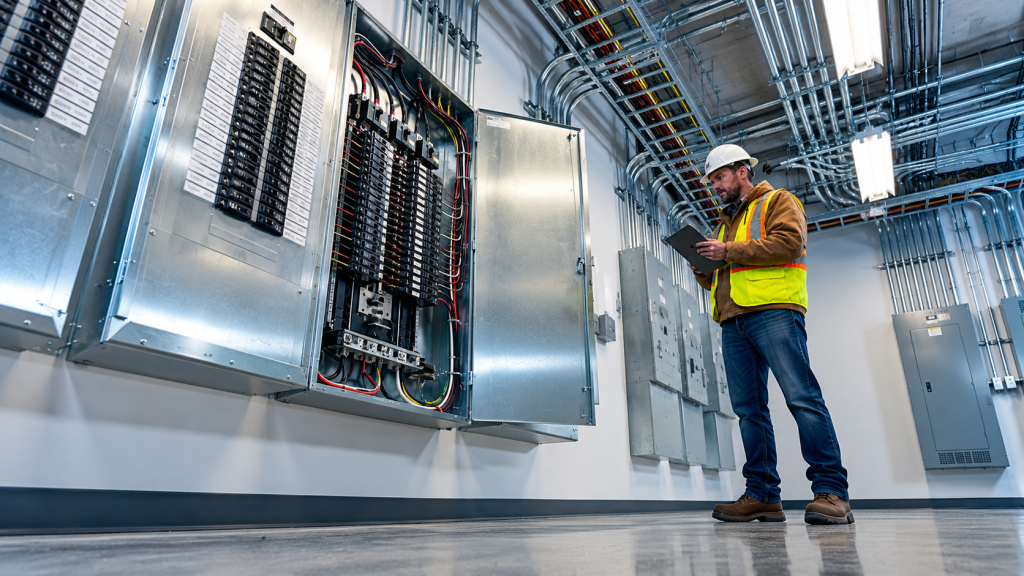
Distribution centers may look simple, but their electrical needs are growing. High-bay LED lighting with smart controls is now standard. Many sites also include conveyor systems, automated sorting equipment, and robotics.
Similarly, electric forklifts and yard trucks need charging. Some operators are adding chargers for electric delivery vans and semi-trucks. These loads can be very large. So warehouse projects increasingly begin with a detailed load study and early talks with the utility.
How Phoenix Scottsdale Electrical Contractors Work With Utilities
Big projects need big power, and that requires close work with the utility. In the Valley, that usually means Arizona Public Service or Salt River Project. For very large loads, the utility may need to build new substations or transmission lines.
This process can take a long time. As a result, utility planning often starts years before construction for the largest sites. Phoenix Scottsdale electrical contractors play a key role by providing load data, equipment details, and construction schedules. Clear communication helps the utility plan its own work.
Solar and Energy Storage at Scale
Arizona’s sunshine makes solar a natural fit for large roofs and parking areas. Many industrial and logistics buildings now include rooftop solar or solar carports. Battery storage is growing, too. It can reduce peak demand charges and provide backup power.
However, large solar and storage systems need careful design and utility approval. Inverters, transformers, and protection gear must also work with the main service. In addition, fire safety rules apply to large battery systems. Contractors must follow these rules closely.
Supply Chain and Equipment Lead Times
Large electrical equipment has faced long lead times in recent years. Transformers, switchgear, and generators can take many months to arrive. On big projects, a late delivery can delay the entire schedule.
To manage this risk, Phoenix Scottsdale electrical contractors order equipment early. Some owners buy major gear directly before the full design is complete. Others lock in production slots with manufacturers. Either way, procurement planning is now a core part of large project management.
Phoenix Scottsdale Electrical Contractors and Crew Safety
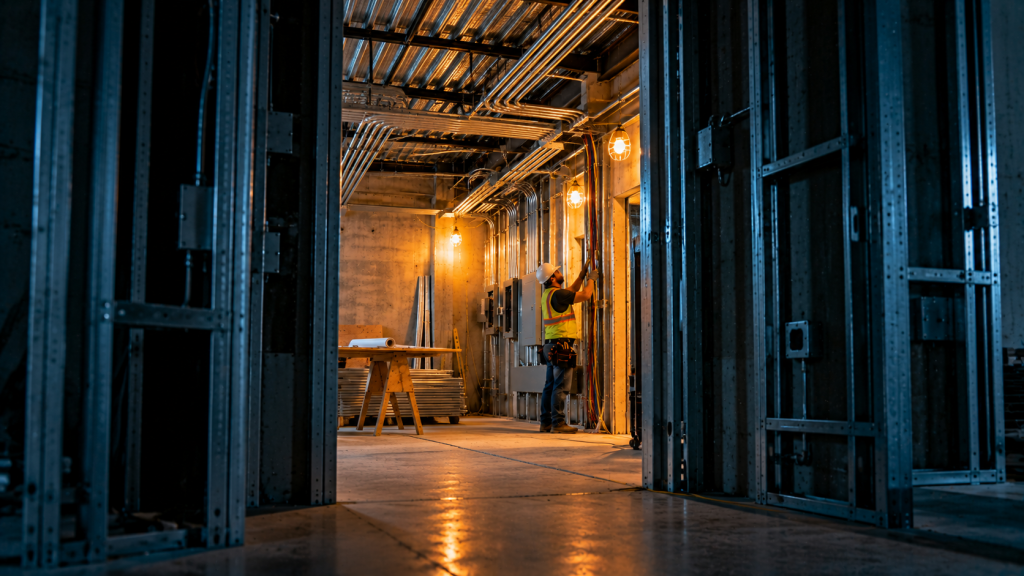
Of course, large projects need large crews. Finding enough skilled electricians is a real challenge in a busy market. Strong contractors invest in apprenticeship programs, training, and retention.
Safety is equally important. Medium-voltage work, heavy equipment, and crowded job sites raise the stakes. In addition, summer heat adds risk for outdoor crews. Good firms plan work hours around the heat and enforce strict safety programs.
What to Look For in Phoenix Scottsdale Electrical Contractors
For large projects, look beyond price. Key factors include:
- Experience with projects of similar size and type.
- Ability to staff large crews over long schedules.
- Strong safety records and training programs.
- Skill with medium-voltage systems and commissioning.
- Proven procurement and scheduling systems.
- Clear, detailed documentation practices.
Also confirm the contractor’s license through the Arizona Registrar of Contractors. Then check insurance and bonding capacity. Large projects often require significant bonds.
Lessons Small Owners Can Learn From Big Projects
Large plants and data centers teach useful lessons for every project. First, plan power early. Big sites start utility talks years ahead, and even a small shop benefits from asking about capacity before signing a lease.
Second, order key gear early. Panels and transformers can take months, so waiting until the last minute puts your opening date at risk. Third, test everything before you rely on it. On big jobs, every breaker and sensor is checked. On small jobs, a simple walk-through with your electrician does the same thing.
Finally, keep good records. Large owners demand clear drawings, labels, and test reports. Small owners should ask for the same. In short, the habits that keep big projects on track also help a single office or store open on time. That is why many Phoenix Scottsdale electrical contractors bring the same systems to jobs of every size.
Smaller Projects Still Matter
Large projects get the headlines, yet most businesses still need everyday commercial work. Offices, clinics, restaurants, and stores continue to grow alongside the big plants. Many of the same contractors serve both markets.
For smaller owners, this can be an advantage. A contractor with large-project experience brings strong systems, safety practices, and supplier relationships to every job. To learn more about our approach, see our Division 26 electrical contracting page.
Common Questions From Owners
How early should I engage an electrical contractor on a large project? As early as possible, ideally during site selection or early design. Their input on power, utility timing, and equipment can shape the whole plan.
Can design-build work for large projects? Yes. Many large owners use design-build or design-assist to speed up schedules and improve coordination.
What is commissioning? Commissioning is a structured process that tests every system to confirm it works as designed. On data centers and plants, it is essential.
Plan Your Next Project
The Valley’s growth is creating big opportunities and big challenges. The right electrical partner helps you meet both. Visit our Phoenix electrical tenant improvement page to learn more about our local work. Then contact our team to talk about your project.