Arizona’s commercial market keeps expanding, and tenant improvements are a big part of that growth. Every new office, clinic, store, or restaurant needs its space reworked to fit the business. Experienced Arizona tenant improvement electricians make that happen. They plan the power, lighting, and data systems, manage permits, and coordinate with every trade on site. This guide explains how a typical project works across the Valley, where delays come from, and how to keep your build-out on track.
Why Arizona Tenant Improvement Electricians Get Involved Early
Electrical work touches almost every part of a tenant improvement. For example, lighting shapes the look of the space. Similarly, outlets and data drops decide where people work. Meanwhile, panel capacity limits what equipment the tenant can use.
For these reasons, the electrical team should join the project before design is finished. Early input helps avoid costly changes. For example, an electrician may notice that the existing panel is too small for a new kitchen. Catching that before the lease is signed can save the tenant thousands of dollars.
Understanding the Space You Are Leasing
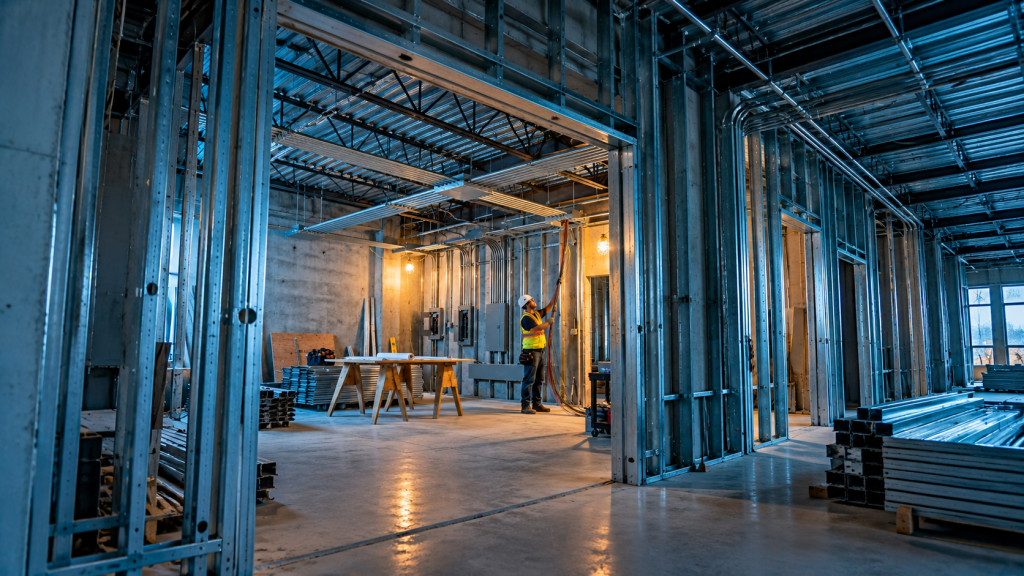
Spaces fall into two broad groups. A cold shell has little more than walls, a slab, and a utility connection. In contrast, a second-generation space already has panels, lighting, and outlets from a previous tenant.
Naturally, each type has trade-offs. Cold shells cost more to build out but offer full design freedom. Second-generation spaces can save money if the existing systems are in good shape. However, older gear may not meet current code or match the new tenant’s needs. A site survey by Arizona tenant improvement electricians helps sort out what to keep and what to replace.
Design and Engineering
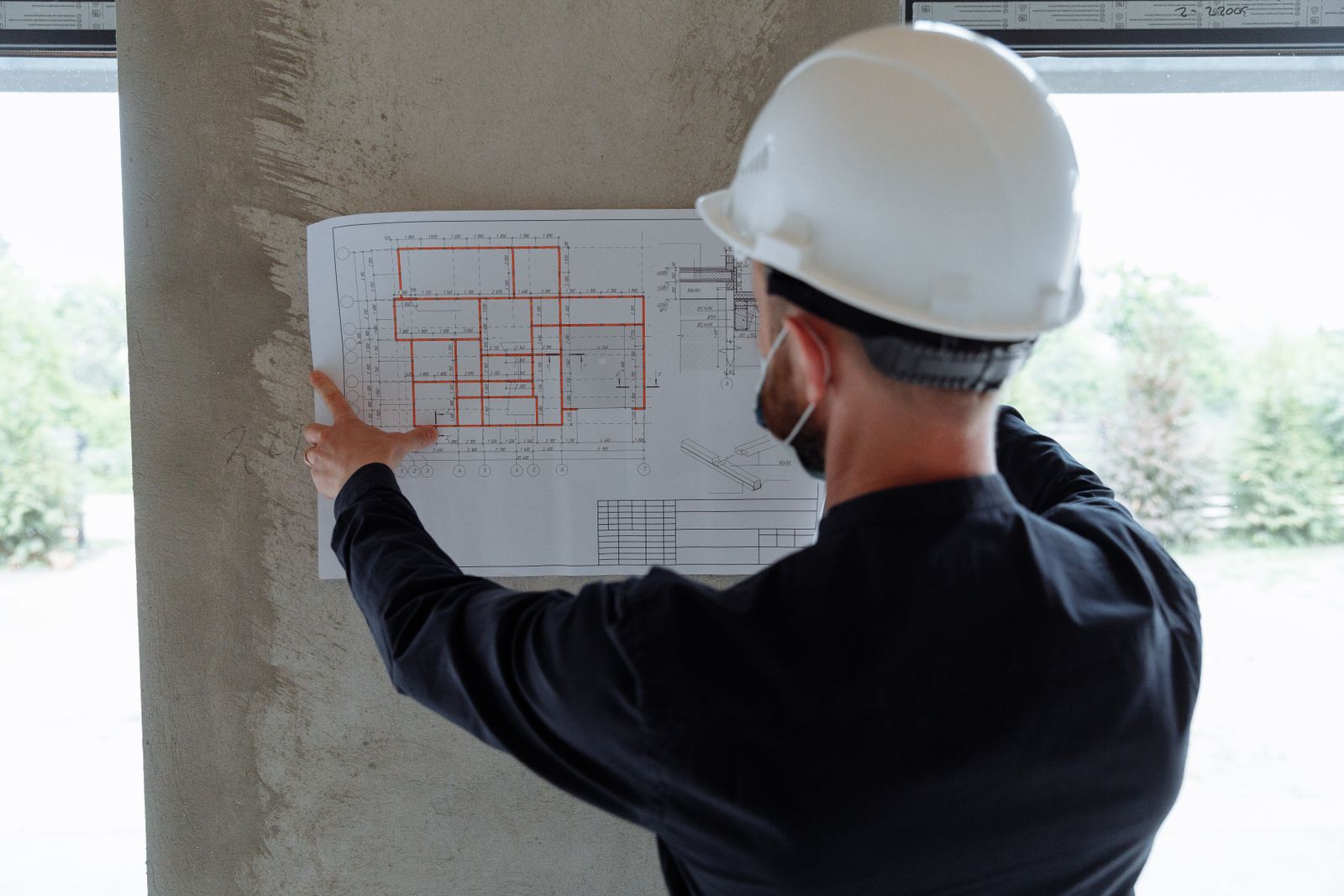
Most commercial tenant improvements need electrical drawings. Typically, these show the power plan, lighting layout, panel schedules, and load calculations. Some projects also include fire alarm, data, and security drawings.
The drawings must meet the building code and the energy code adopted by the local jurisdiction. For example, lighting must follow limits on power use and include required controls. As a result, good drawings from Arizona tenant improvement electricians lead to accurate bids and smoother permit reviews. To learn more about the full scope, see our page on commercial electrical tenant improvement.
Permits Across Valley Cities
The Phoenix metro includes many separate cities. Phoenix, Scottsdale, Tempe, Mesa, Chandler, Gilbert, Glendale, and Peoria each run their own building departments. Unincorporated areas fall under Maricopa County. As a result, permit rules and review times vary by address.
In the City of Phoenix, the Planning and Development Department handles commercial permits. Some projects may qualify for faster review programs. Other cities offer their own options. Arizona tenant improvement electricians who work across the Valley know these differences. They can prepare submittals that fit each city’s expectations.
Scheduling Around the Arizona Heat
Summer heat affects tenant improvements in two ways. First, it affects people. Crews working in spaces without air conditioning face real heat stress. So many contractors start early and use fans, water, and rest breaks to stay safe.
Second, heat affects the building systems. Many tenant spaces rely on rooftop HVAC units. Those units often need new electrical feeds when they are replaced or upsized. Because of this, HVAC and electrical work must be closely coordinated. In addition, getting cooling running early makes the rest of the build-out more comfortable and productive.
How Arizona Tenant Improvement Electricians Handle Rough-In and Trim
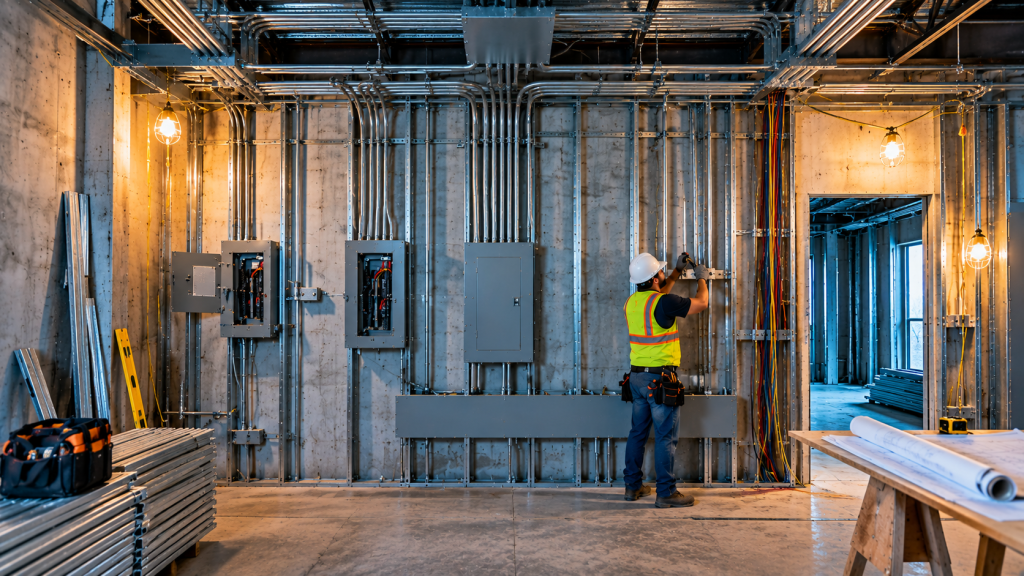
Once permits are issued, rough-in begins. First, electricians run conduit, set boxes, and pull wire before walls close. They also install new panels and feeders. Then an inspector checks the rough-in work.
After the inspection passes, drywall goes up and finishes are applied. Next, the electrical team returns for trim-out. They install fixtures, devices, and controls. Finally, they test everything and schedule the final inspection. Fire alarm work often has its own separate review and test.
Office, Retail, and Medical Tenant Improvements
Of course, each space type has its own focus. For instance, offices need flexible power, plenty of data, and good lighting controls. Retail spaces need display lighting, signage, and security systems. Medical offices need dedicated circuits for equipment, careful grounding, and sometimes backup power.
However, restaurants are the most power-hungry of all. They need heavy circuits for cooking equipment, refrigeration, and hood systems. For details, read our page on restaurant tenant improvement electrical work.
Schedule Risks Arizona Tenant Improvement Electricians Watch
Most tenant improvement delays follow familiar patterns:
- Equipment selections that arrive late and force redesigns.
- Long lead times on panels, transformers, or special fixtures.
- Permit comments that require revised drawings.
- Utility service changes with APS or SRP that take longer than planned.
- Poor coordination among trades in tight ceiling spaces.
Good planning reduces each of these risks. Share equipment lists early, approve submittals quickly, and order long-lead items as soon as possible.
Choosing Arizona Tenant Improvement Electricians
Start with licensing. First, check that the contractor holds an active commercial electrical license with the Arizona Registrar of Contractors. Next, confirm insurance and bonding. Then ask for recent tenant improvement references.
Also pay attention to communication. Do they respond quickly? Do they explain things clearly? Will the same foreman stay on your job from start to finish? These details often decide whether a project runs smoothly.
How Landlords Benefit From Experienced Electricians
Tenant improvements are not only a tenant concern. In fact, landlords gain a lot from strong electrical partners. When spaces turn over quickly, rent starts sooner. When systems are documented well, the next build-out moves faster.
Many property owners therefore keep a preferred list of Arizona tenant improvement electricians. These teams know the building’s risers, panels, and fire alarm system. As a result, they can survey a vacant suite in an hour and price a test fit within days. That speed helps leasing agents close deals.
Landlords also benefit from consistent standards. For example, using the same lighting fixtures and panel brands across suites simplifies maintenance. Similarly, clear labeling and up-to-date panel schedules prevent confusion during future work.
Finally, good electricians protect the building itself. They avoid overloading shared systems, respect fire-rated walls, and coordinate shutdowns with property management. In short, the right team adds value long after each tenant moves in.
Questions Tenants Often Ask
How long does a typical tenant improvement take? Small office refreshes may take a few weeks of construction. Larger or more complex spaces, such as restaurants or clinics, often take longer. Permit review adds time on top of construction.
Who pays for the electrical work? That depends on the lease. Many landlords provide a tenant improvement allowance. Read the work letter carefully to see what is included.
Can I reuse the existing lighting? Sometimes. If the fixtures are in good shape and meet code, reuse can save money. However, altering lighting often triggers energy code updates.
What if the space needs more power? Then your electrician will work with the landlord and the utility to plan a service upgrade. Because this takes time, raise the issue early.
Start Your Build-Out the Right Way
A successful tenant improvement starts with a strong plan and the right team. To learn more about our local work, visit our Phoenix electrical tenant improvement page. When you are ready, contact our team to schedule a site survey.