
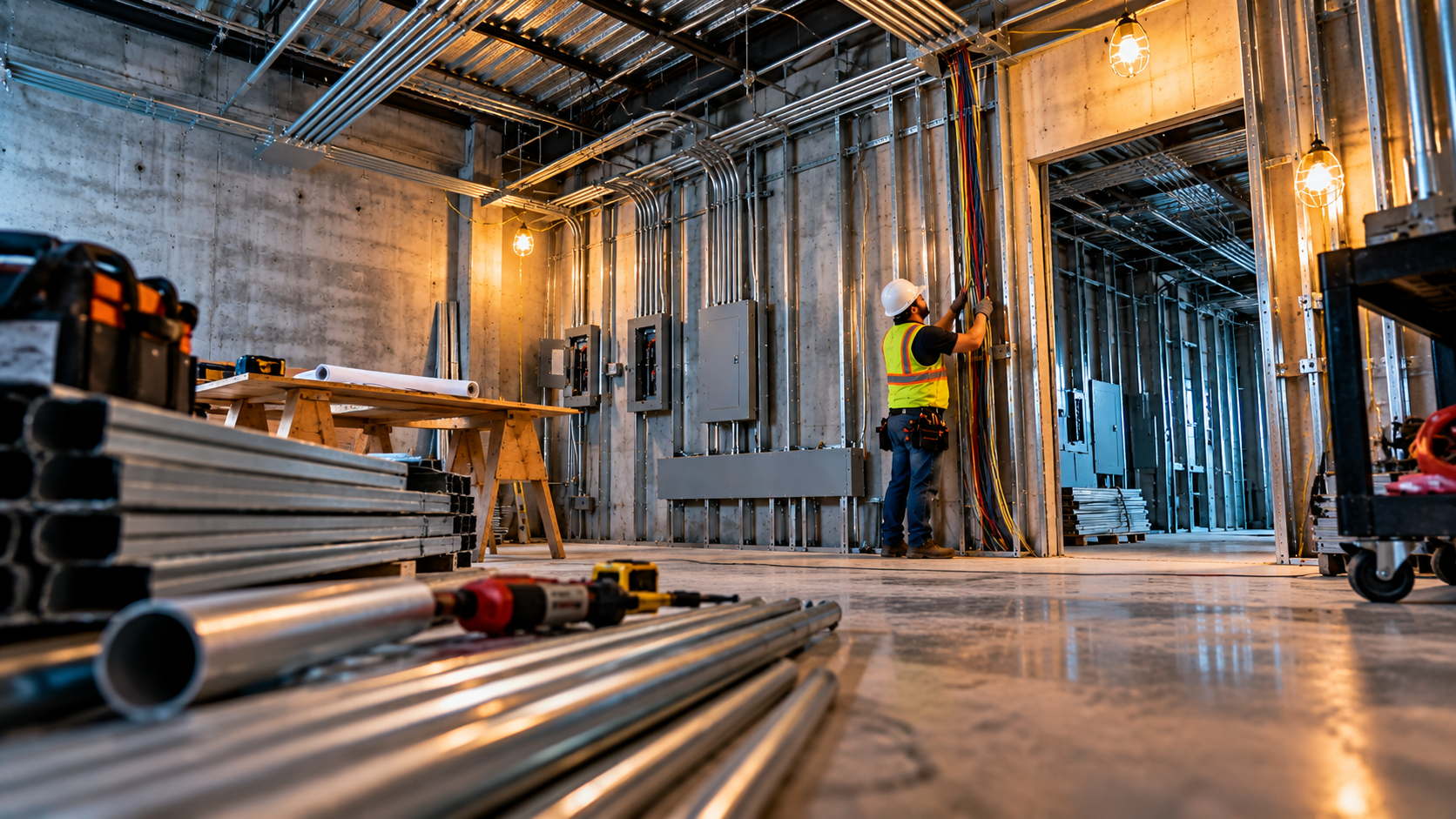
Gainey Ranch lighting upgrades can transform a tenant space. The shops, salons, galleries, and professional offices around Gainey Village and the Scottsdale Road corridor depend on lighting to set the mood, show off products, and keep clients comfortable. Older fixtures, however, often waste energy, flicker, and cast a dull, yellow light. A well-planned upgrade fixes all of that. It also helps the space meet today’s energy code. This guide explains how to plan a lighting upgrade as part of a tenant renovation, from early design to final inspection.
Tenants, landlords, and designers in Gainey Ranch can use it to plan a project that looks great and runs efficiently.
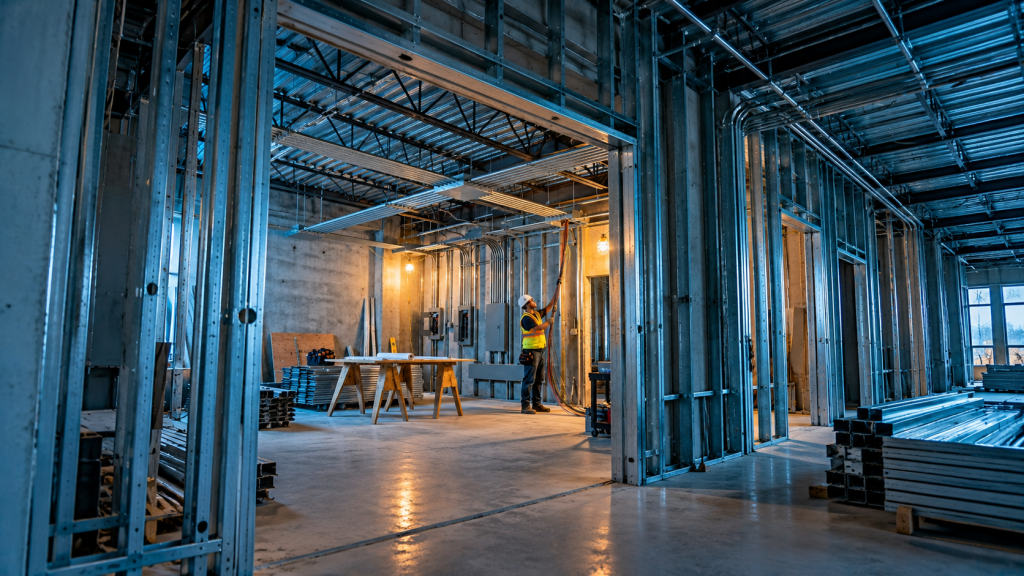
Why Upgrade Lighting During a Renovation
A renovation is the best time to upgrade lighting. Ceilings are often open, walls are being moved, and the electrician is already on site. As a result, new fixtures and controls cost less to install than they would in a finished space.
Upgrading also pays off over time. LED fixtures use far less power than fluorescent or halogen lamps. They last much longer, so maintenance drops. They also run cooler, which helps air conditioning during long Scottsdale summers.
Step 1: Define Your Lighting Goals
Start by deciding what the lighting should do. For example, a high-end boutique wants warm, inviting light with strong accents on merchandise. A medical office needs bright, even light for exams. A salon needs accurate color so clients see true hair and skin tones. Meanwhile, a professional office wants comfortable light with little glare on screens.
Write these goals down. They guide every later decision about fixtures, color, and controls.
Step 2: Understand Color and Quality
Not all LED light looks the same. Two numbers matter most:
- Color temperature describes how warm or cool the light looks. Lower numbers, such as 2700K or 3000K, feel warm. Higher numbers, such as 4000K, feel crisp and neutral.
- Color rendering index (CRI) shows how accurately the light reveals colors. A CRI of 90 or higher is ideal for retail, salons, and galleries.
Choosing the right mix makes products, artwork, and people look their best.
Gainey Ranch Lighting Upgrades and Fixture Choices
Next, choose fixtures for each area. Common options include recessed downlights, linear fixtures, track lights, pendants, and wall sconces. In retail spaces, adjustable track or accent fixtures let staff change displays easily. For offices, linear fixtures provide even light across work areas. In addition, decorative pendants and sconces add character in reception areas and lounges.
Also consider ceiling height and layout. A good lighting plan spaces fixtures evenly, avoids dark corners, and limits glare.
Step 3: Plan Lighting Controls
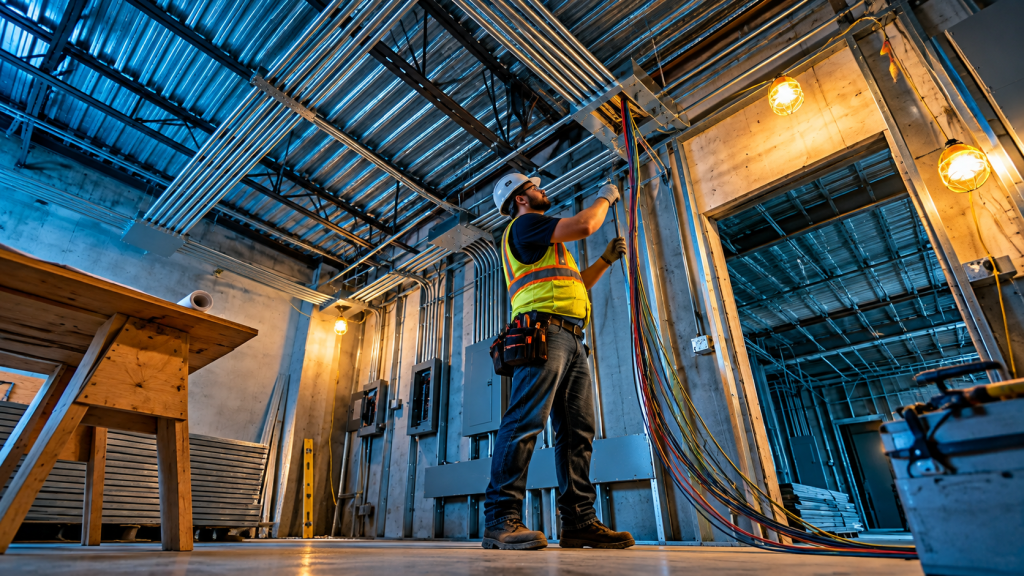
Controls save energy and add flexibility. Arizona jurisdictions adopt energy codes that require many of these features in commercial spaces:
- Occupancy sensors that turn lights off in empty rooms
- Daylight controls that dim fixtures near windows
- Time controls that shut lights off after hours
- Separate control for display and accent lighting
- Dimming for conference rooms, salons, and dining areas
Smart control systems can also group lights into scenes, such as “open,” “closed,” or “event.” Our lighting controls services page explains common systems.
Step 4: Check Electrical Capacity
LED upgrades usually lower electrical load, which is good news. However, renovations often add other loads at the same time, such as new equipment or outlets. So the electrician should review the panel and circuits as part of the plan. They will also confirm that the lighting circuits match the new layout.
Step 5: Permits and Energy Compliance
Scottsdale usually requires a permit when a tenant renovation includes new lighting. The plans typically show fixture locations, a fixture schedule, controls, and energy code compliance. Many projects use a lighting power calculation to prove the design stays within code limits. The ENERGY STAR program also offers guidance on efficient commercial lighting.
Gainey Ranch Lighting Upgrades in Occupied Centers
Many Gainey Ranch properties stay busy during renovations. Neighboring tenants still serve customers, and landlords want common areas to look tidy. So plan noisy work, deliveries, and power shutdowns with care. In addition, protect floors and finishes in shared areas, and keep work zones clean at the end of each day.

Timing Gainey Ranch Lighting Upgrades
Timing matters in a busy shopping district. Many owners schedule Gainey Ranch lighting upgrades for summer, when fewer seasonal visitors are in town. Others pick the weeks right after the holidays. Either way, order fixtures early, since custom pieces can take weeks to arrive. A smart schedule keeps Gainey Ranch lighting upgrades from clashing with your best sales months.
Coordinating With the Design Team
Lighting touches many trades. The architect sets the ceiling plan, the interior designer picks decorative fixtures, and the electrician installs everything. Meanwhile, the HVAC contractor needs room for diffusers and returns. Regular coordination meetings prevent clashes, such as a pendant planned right where a diffuser must go.
Budgeting for Gainey Ranch Lighting Upgrades
Several factors shape the cost:
- The number and type of fixtures
- Decorative or custom fixtures
- Control systems and sensors
- Ceiling access and height
- Permit and design fees
- After-hours work in occupied centers
Keep in mind that fixture prices vary a lot. A basic LED downlight costs far less than a designer pendant. So spend more where clients look most, such as the entry and display walls. Then use simple, efficient fixtures in back rooms and storage areas. Some utilities in the Phoenix area offer rebates for efficient commercial lighting. So ask your electrician to check before you order fixtures. Our post on LED retrofits in build-outs covers more ways to save.
Gainey Ranch Lighting Upgrades by Business Type
Each type of business needs its own plan. Here are a few simple examples.
Boutiques and Galleries
Shops and galleries need light that makes products pop. So use warm light with high color quality. Add track heads that staff can aim at new displays. Keep the general light a bit softer, so the accents stand out.
Salons and Spas
Salons need true color at every chair. Clients want to see their real hair and skin tone. So choose fixtures with a high CRI. Spas, on the other hand, want calm, dim light. Dimmers help both spaces change the mood during the day.
Professional Offices
Offices need even light with little glare. Bright spots on screens tire the eyes. So pick fixtures with good lenses. Then add daylight sensors near windows to save power on sunny days.
In each case, Gainey Ranch lighting upgrades work best when the design starts with the people who use the space. Ask staff what they need. Then plan the lights around those needs.
Common Mistakes to Avoid
- Picking fixtures for looks alone without checking light quality
- Forgetting code-required controls
- Mixing color temperatures in the same space
- Placing fixtures without checking the HVAC layout
- Ordering late, then waiting on long lead times
FAQ on Gainey Ranch Lighting Upgrades
How long do Gainey Ranch lighting upgrades take?
Field work for a typical suite takes one to three weeks, depending on size and controls.
Will LED lighting lower my power bill?
In most cases, yes. LEDs use much less energy than older lamps.
Do I need a permit for new lighting?
Usually, yes, as part of a tenant renovation. Your contractor can confirm.
Light Your Space the Right Way
Good lighting makes a space look better and work better. Visit our commercial electrical services page, or contact our team to plan your project.