
Centennial Hills retail electrical work is often the last big push before a new store opens its doors. Centennial Hills, in the far northwest corner of Las Vegas, has newer shopping centers along Centennial Parkway, Durango Drive, and the US 95 corridor. Many suites are second-generation spaces, while some are shells that need everything. Either way, the electrician has to finish, test, and pass inspection before the grand opening. This guide explains how to prepare a tenant space so opening day arrives on time.
We cover planning, lighting, outlets, signs, inspections, and the final checks that are easy to miss.
Shell Space Versus Second-Generation Space
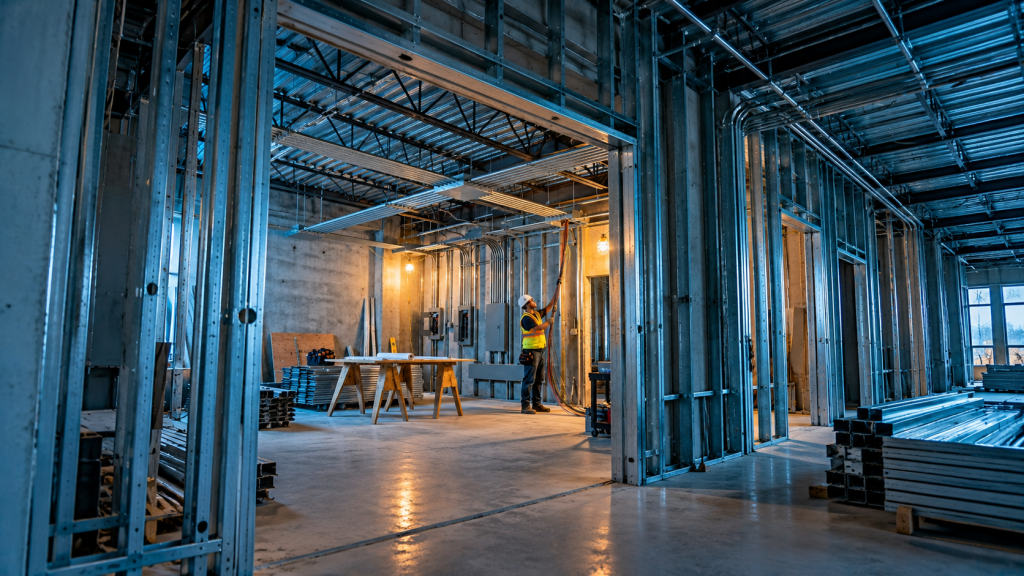
The starting point shapes the whole job. A shell space usually has a main service or panel but little else inside. In that case, the electrician installs nearly everything: circuits, lights, outlets, and controls. A second-generation space, by contrast, has the last tenant’s wiring. Parts of it can stay, while other parts must change. Knowing which type you have helps set the budget and schedule from day one.
Centennial Hills Retail Electrical Planning
Start with a store layout that shows displays, checkout counters, fitting rooms, stockrooms, and signs. Then list every item that needs power, such as registers, security cameras, display lighting, coolers, and music systems. Your electrician will use this to design circuits and pick the right panel size. Good planning now prevents costly changes later.
Retail Lighting That Sells
Lighting shapes how shoppers see your products. Bright, even light works for grocery and convenience stores. Boutiques often use track lights to highlight displays. Meanwhile, beauty and clothing stores need light that shows true colors. So pick fixtures by what you sell. In addition, LED fixtures cut power bills and run cool, which helps in the desert heat.
Centennial Hills Retail Electrical for Displays and Checkout
Displays and checkout areas need careful power planning. For example, a lit display case needs an outlet hidden nearby. Checkout counters need outlets for registers, card readers, and receipt printers, plus data lines. In some stores, floor boxes keep cords out of sight. Mark each spot on the plan so the crew catches every one.
Dedicated Circuits for Key Equipment
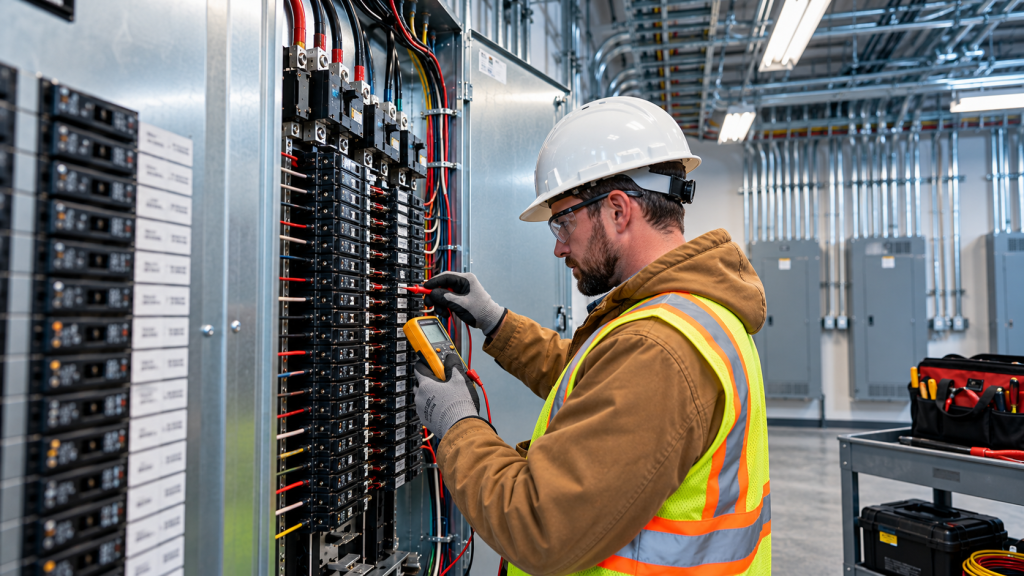
Some items should never share a circuit. Coolers, freezers, ice machines, and server equipment can trip breakers if they share lines with other loads. So give each of these its own circuit. Likewise, security systems and point-of-sale gear benefit from dedicated circuits. That way, a tripped breaker in the stockroom will not shut down your registers.
Signs and Storefront Lighting
A lit sign helps shoppers find you, especially at night. Most centers have rules for sign size and style, and sign installers need a circuit with a timer or photocell. So confirm where the sign circuit starts and whether it works. In addition, plan lighting for any storefront windows or entry canopy. These details make your store look open and inviting.
Centennial Hills Retail Electrical Inspections
Centennial Hills is within the City of Las Vegas. As a result, electrical permits and inspections go through the city’s building department. Most stores need a rough-in inspection before walls close and a final inspection before opening. Missing either can delay your opening. The City of Las Vegas website explains how to schedule inspections.
Exit Lights in a Centennial Hills Retail Electrical Plan
Inspectors always check exit signs and emergency lights. These must work during a power outage and light the path out of the store. If you added walls or changed aisles, the lights may need to move. So test them before the final inspection. It only takes a few minutes and avoids a failed visit.
Centennial Hills Retail Electrical for Security Systems
Retail stores rely on cameras, alarms, and door sensors. These systems need power in the right places. For example, cameras often mount high on walls or ceilings, so they need nearby outlets or power over data cables. Likewise, alarm panels need a dedicated outlet and a backup battery. Plan these spots during design, since adding them after the ceiling is closed costs more. Good Centennial Hills retail electrical planning keeps the store protected from the first night.
Music, Screens, and Digital Signs
Many stores now use music systems, TV screens, and digital menu boards. Each one needs power, and many need data too. So mark where screens will hang and where speakers will go. Then the electrician can add outlets behind the screens, out of sight. This small step gives the store a clean, finished look.
Stockrooms and Back-of-House Power
The back room often gets forgotten. Yet staff need outlets for label printers, chargers, a break-room fridge, and sometimes a washer or dryer. In addition, the stockroom needs good lighting so workers can read labels and move safely. So plan the back of house with the same care as the sales floor. A well-lit, well-powered stockroom keeps the store running smoothly.
Coordinating With Other Trades
Electrical work happens alongside framing, HVAC, plumbing, and fixtures. For instance, the electrician runs wires before drywall, then returns to install devices after paint. Meanwhile, store fixtures may need power that only works once they are in place. So keep a shared schedule and meet weekly with the general contractor.
Centennial Hills Retail Electrical Final Checks
Before opening, walk the store with your electrician. Check that every outlet works, every light turns on, and every breaker is labeled. Test the sign, the security system, and the registers. Then make a short punch list. A careful final walk is the best way to catch small issues before customers arrive.
Power Bills After Opening
Electricity is one of the largest monthly costs for many stores. LED fixtures, lighting controls, and efficient coolers all help. In addition, timers on signs and display lights cut waste after hours. The utility, NV Energy, offers tips and programs for business customers.
Holiday and Seasonal Displays
Many stores add lights and moving displays during the holidays. These extras can overload circuits that were sized for normal use. So plan a few spare outlets near the front windows and main aisles. Then seasonal displays can plug in without long cords or tripped breakers.
Budget Tips
Second-generation spaces often cost less to wire, since some circuits can stay. Choosing standard fixtures over custom ones saves money too. Still, do not skimp on circuits for coolers and registers. Our cost guide explains what drives the price of a build-out.
Pre-Opening Checklist
- Confirm shell or second-generation conditions
- Plan displays, checkout, and equipment power
- Choose lighting by product type
- Give coolers and registers dedicated circuits
- Plan the sign circuit and storefront lighting
- Pass rough-in and final inspections
- Test everything before opening day
Centennial Hills Retail Electrical FAQ
How early should we hire an electrician?
As soon as the lease is signed, so design and permits can start right away.
Can we open before the final inspection?
No. Most stores need a passed final inspection before they can open.
Who installs the sign?
Usually a sign company, while the electrician provides the circuit.
Open Your Store on Schedule
Good Centennial Hills retail electrical planning helps your store open on time, look great, and run smoothly. For help with your build-out, visit our build-out electrical contractor page or contact our team.