
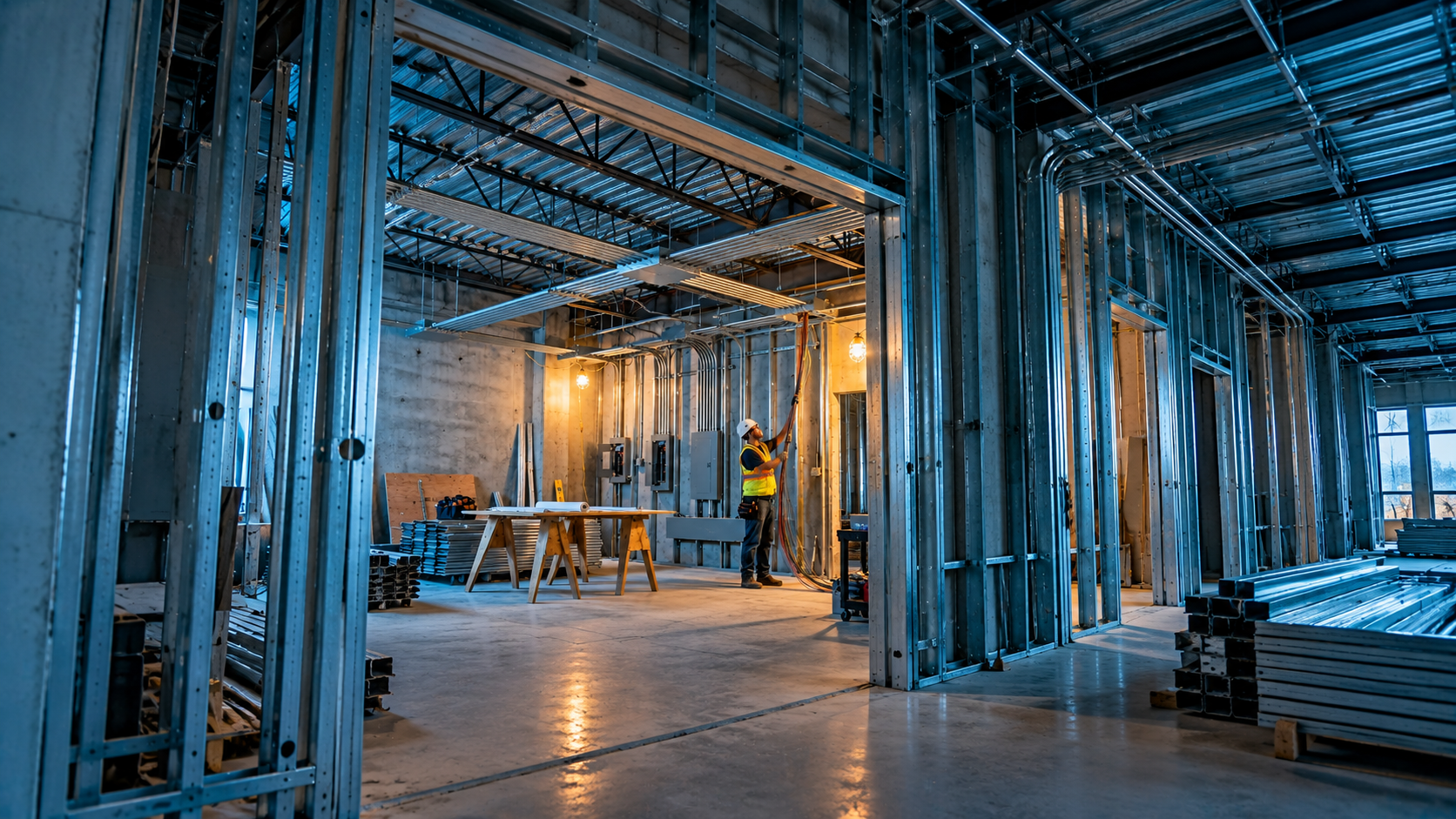
Glendale retail electrical work is the final push that turns an empty suite into a store ready for its grand opening. Glendale is one of the busiest shopping cities in LA County. It is home to The Americana at Brand, the Glendale Galleria, and a long row of shops on Brand Boulevard. Shops here fight for attention. Lights, signs, and displays must look great on day one. Yet the final weeks before opening are often the most rushed. This post walks through the electrical steps that get a Glendale store ready to open on time.
Store owners, retail project managers, and builders can use it as a guide for the last stretch of a build-out.
Why the Final Weeks Matter
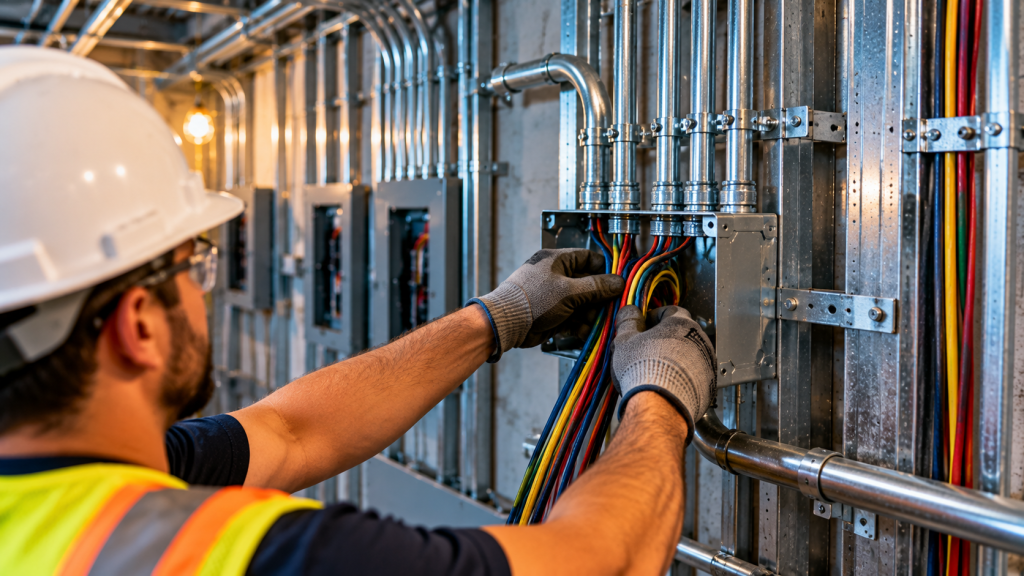
Most store jobs run fine until the last few weeks. Then lights arrive late, signs need power, inspections pile up, and stock trucks pull in. If the electrical work falls behind, the opening date slips. So it pays to plan the final phase as carefully as the first. A clear checklist keeps everyone focused.
Start Glendale Retail Electrical Planning Early
Opening-day readiness begins long before the last week. First, lock in the store layout and fixture plan. Next, order lighting fixtures, signs, and specialty equipment early, since lead times vary. In addition, confirm landlord rules for signs, storefront lighting, and work hours. Malls like the Galleria and Americana often have strict tenant criteria. Knowing them up front prevents rework.
Lighting That Sells
Retail lighting draws customers in and shows products at their best. Good stores layer their light. A soft base light fills the floor, spotlights hit the best products, and brighter light helps staff at the register. In addition, high-quality LEDs with good color rendering make clothing and goods look true to life. Track lighting lets staff adjust focus as displays change. Our page on lighting and controls covers popular options.
Glendale Retail Electrical for Displays and Fixtures
Many store fixtures need power. Lighted shelves, display cases, digital screens, and interactive kiosks all need outlets close by. So the electrician places floor boxes and wall outlets based on the fixture plan. Some fixtures come pre-wired. They just need a box to plug into. Talk with the fixture maker early to avoid surprises.
Point-of-Sale and Network Power
Checkout counters need steady power and data for registers, card readers, and printers. Dedicated circuits keep them running even if other loads trip a breaker. In addition, a small battery backup lets sales continue during brief outages. Network equipment in the back room needs power and cooling too.
Signs and Storefront Lighting
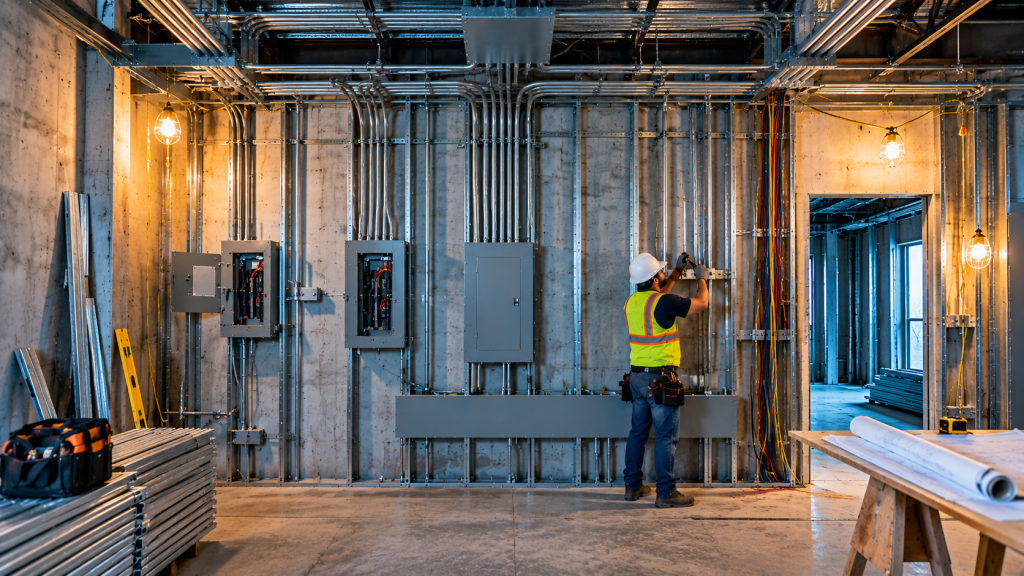
Signs tell people who you are. Each one gets its own circuit, often on a timer or a dusk sensor. Put window lights on a separate line, too, so the display can glow at night. In addition, mall signs often follow strict rules for brightness and hours. Plan sign power early so it is ready when the sign arrives.
Glendale Retail Electrical and Title 24
State energy rules apply to store lighting too. These include automatic shutoff, occupancy sensors in stockrooms, and daylight controls near large windows. Display lighting may need separate controls. The California Energy Commission lists the full rules. Building them into the design avoids failed inspections.
Stockrooms and Back-of-House
The stockroom, office, and break area need power too. Stockrooms need bright, efficient lighting and outlets for label printers and scanners. Break rooms need circuits for refrigerators and microwaves. In addition, back offices need power and data for computers and security systems. Crews often forget these spaces, so add them to the checklist.
Security and Fire Alarm Coordination
Most stores use cameras, door contacts, and theft-detection pedestals by the exit. Each of these needs a plug, and most need a network line. In addition, fire alarm devices must tie into the building or mall system. So coordinate with the security vendor and fire alarm contractor well before opening. Their work often depends on the electrician finishing first.
Panel Labeling and Testing
Before opening, the electrician checks each circuit and marks the panel clearly. Accurate labels help staff reset a breaker quickly if needed. In addition, the electrician checks ground-fault outlets, emergency lights, and exit signs. These tests often happen right before the final inspection. Clean labeling also helps future maintenance.
Glendale Retail Electrical Inspections
Glendale runs its own building and safety division. So city inspectors, not LADBS, review and inspect retail electrical work. Inspectors check wiring, panels, lighting controls, exit signs, and emergency lights. In addition, mall landlords may do their own inspections. Scheduling inspections early in the final weeks leaves time to fix any issues.
Utility Service and Glendale Water and Power
Glendale Water and Power, the city’s own utility, supplies electricity in Glendale. If the store needs a new meter or more service, contact the utility early. In malls, the landlord usually manages the main service, and tenants connect to a sub-panel. So confirm who handles any utility changes before the schedule gets tight.
The Final Punch List
A punch list catches small issues before opening. Common electrical items include missing cover plates, flickering lights, misaimed track heads, and dead outlets. In addition, staff should test every register, sign, and display. Fixing these items quickly keeps the opening on schedule. Our page on build-out electrical work describes how we handle closeout.
Budgeting Glendale Retail Electrical
Costs depend on store size, lighting design, fixture power, signs, and mall rules. High-end lighting and digital displays add cost. In addition, after-hours work required by malls raises labor rates. Our electrical cost guide shows typical ranges for retail work.
Holiday and Seasonal Displays
Stores in Glendale change displays often, especially for the holidays. So plan a few extra outlets near windows and key displays. Use timers for seasonal lights. In addition, keep a spare circuit or two in the panel. Then new displays can go up fast without calling an electrician every time.
Training Staff Before Opening
Before opening day, show store managers where the panel sits and how the lighting controls work. Explain timers for signs and window displays. In addition, post a simple guide near the panel. Trained staff can handle small issues without calling the electrician.
Glendale Retail Electrical on Opening Day
On opening day, keep the electrician’s number handy. Turn on every light an hour early. Check the sign. Test each register. Walk the store and look for dark spots. If a breaker trips, check the label and reset it. Small checks like these make the day go smoothly. Then relax and enjoy the crowd.
Tips for Store Owners
- Order fixtures and signs early
- Read mall tenant criteria before design
- Give registers dedicated circuits
- Schedule inspections well before opening
- Walk the store with a punch list
Glendale Retail Electrical Checklist
- Lock in layout, fixtures, and lighting
- Power displays, POS, and network gear
- Prepare sign and storefront circuits
- Meet Title 24 lighting controls
- Coordinate security and fire alarm
- Test, label, and pass inspections
- Finish the punch list and train staff
Open Your Doors With Confidence
Careful electrical planning in the final weeks turns a Glendale build-out into a bright, inviting store on opening day. With every circuit tested and every light aimed, your store will be ready for its first customers. Find more on our Los Angeles electrical services page, or ask about your store opening.