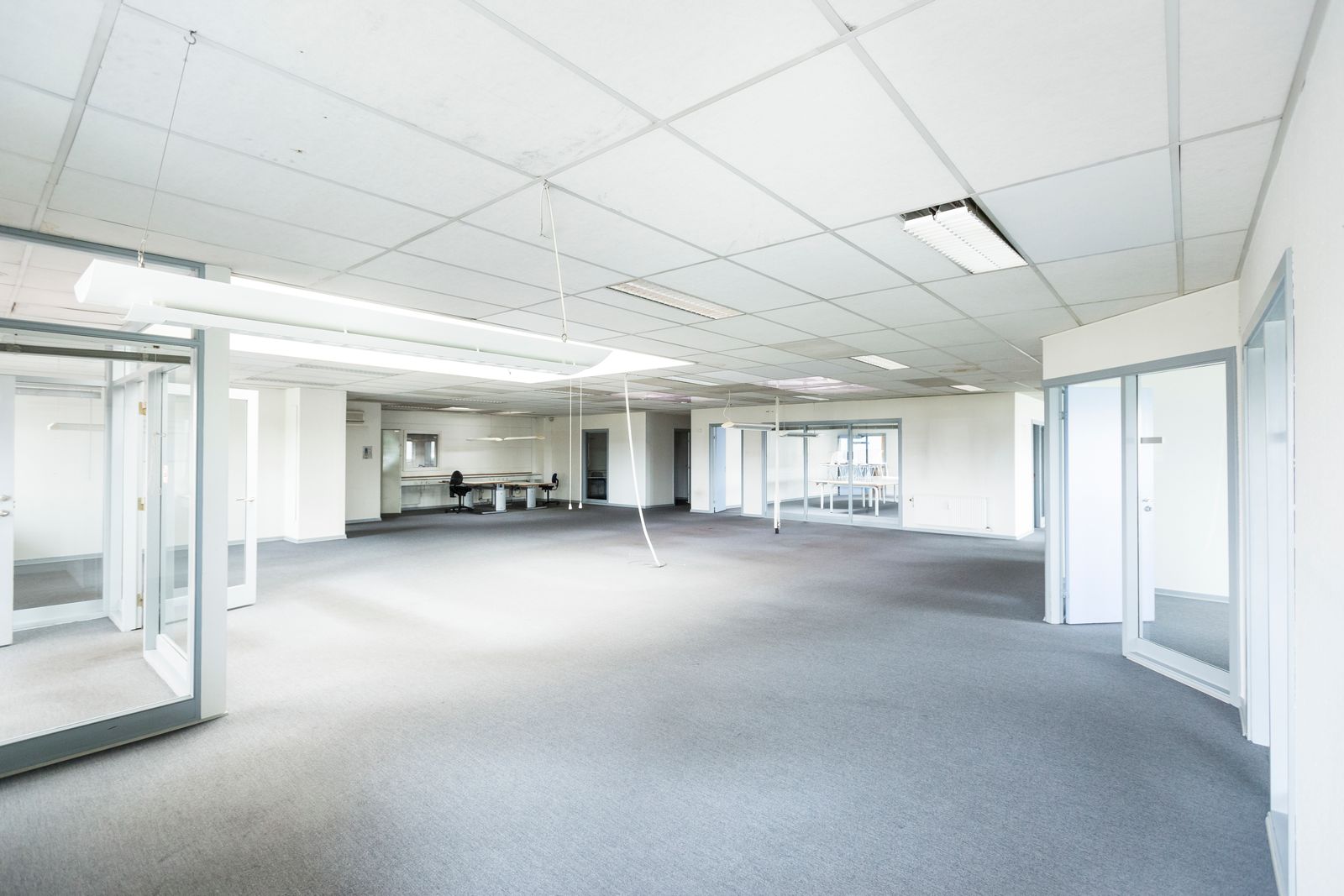
Tenant improvements in the Bay Area bring together many electrical systems at once. Power, lighting, controls, data, security, and EV charging all have to work together. On top of that, California’s energy code and local reach codes add rules that many other regions do not have. Understanding how Bay Area tenant improvement electrical systems fit together helps tenants plan budgets, avoid redesigns, and open on time. This article explains each major system and how local rules shape it.
The Building Blocks of Bay Area Tenant Improvement Electrical Systems
Most tenant improvements include several core systems:
- Power distribution: panels, feeders, and branch circuits that deliver electricity.
- Lighting: fixtures that meet Title 24 power limits.
- Lighting controls: sensors, dimmers, and schedules required by code.
- Low-voltage systems: data, Wi-Fi, security, and audio-visual cabling.
- Fire alarm: devices that tie into the building’s life safety system.
- EV charging: chargers and infrastructure for parking areas.
Of course, each system depends on the others. For example, lighting controls may link to the building automation system. Fire alarm devices may need power and data connections. So planning them together avoids conflicts.
Bay Area Tenant Improvement Power and Capacity
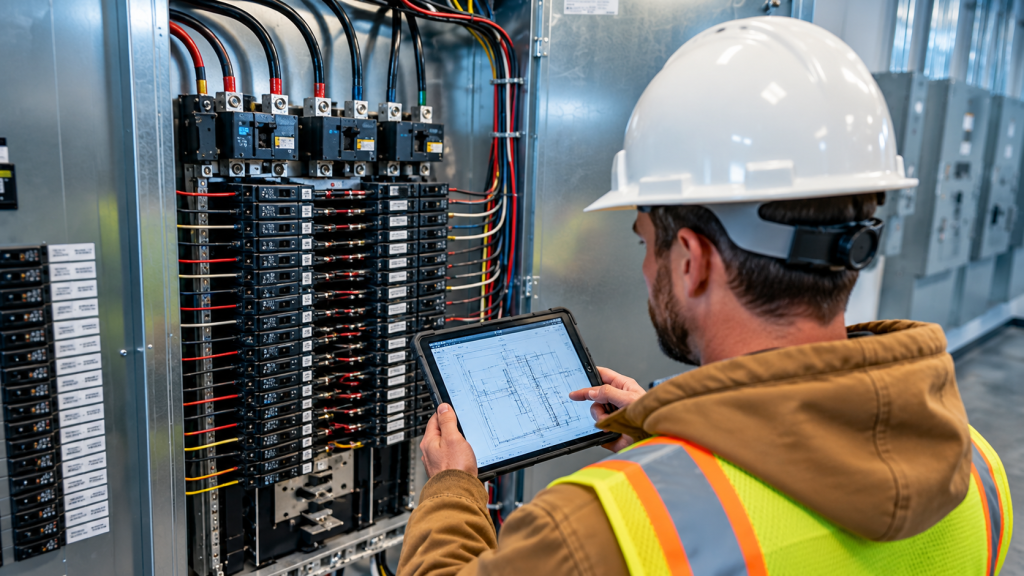
Every tenant improvement starts with available power. First, the electrical team checks the existing panel, the building’s service, and how much capacity the landlord provides. Then they compare that with the tenant’s needs.
For example, office tenants may need modest power. However, labs, restaurants, and server rooms need much more. If the available capacity falls short, the project may need a panel upgrade or even a service upgrade. Fortunately, early load studies reveal these needs before they become costly surprises.
Title 24 Lighting Rules
California’s Title 24 energy code sets limits on lighting power. In practice, that means efficient LED fixtures and careful layout. The rules also call for certain controls in most spaces. For the full standards, see the California Energy Commission.
Lighting design under Title 24 is therefore a balance. On one hand, the space must be bright enough for work. On the other hand, it must stay within power limits. So good designers use efficient fixtures, task lights, and daylight to meet both goals.
Tenant Improvement Electrical Controls in the Bay Area
Title 24 requires automatic controls in most commercial spaces. For example, common types include occupancy sensors, daylight dimming near windows, and automatic shutoff schedules. Some spaces also need controls that can cut power use when the grid is stressed.
After installation, many control systems then need acceptance testing. A certified technician checks each control and documents the results. Next, the inspector reviews this paperwork before final approval. Planning acceptance testing early keeps Bay Area tenant improvement electrical projects from stalling at the finish line. Learn more on our commercial lighting and controls page.
Reach Codes and All-Electric Requirements
Many Bay Area cities have adopted reach codes. These local rules go beyond state requirements. For instance, some require all-electric construction, while others require more EV charging or solar readiness.
Reach codes affect tenant improvements in different ways. Some apply mainly to new buildings, whereas others apply when major alterations occur. Therefore, it is important to check your city’s current rules early in design. A contractor familiar with Bay Area tenant improvement electrical work will know where to look.
Data, Security, and Audio-Visual Systems
Modern tenants rely heavily on technology. For example, offices need fast, reliable networks. Similarly, meeting rooms need video gear. Meanwhile, security systems include cameras, card readers, and alarms.
All of these systems need pathways, power, and coordination with the electrical design. Many tenants prefer one contractor for both power and low-voltage work. That approach simplifies scheduling and ensures pathways are planned together. See our low-voltage and data cabling page for more details.
Fire Alarm Integration
Almost every tenant improvement affects the building’s fire alarm system. For instance, new walls may need added devices. Likewise, a change in room use may need different coverage. All work must be coordinated with the building’s fire alarm vendor and reviewed by the fire department.
In addition, fire alarm work often has its own permit and inspection. Because of this, it can become a schedule bottleneck. Starting fire alarm design early helps avoid delays at the end of the project.
EV Charging in Tenant Improvements
EV charging is in high demand across the Bay Area. Tenants and employees expect it, and some codes require it. When a tenant improvement includes parking areas, chargers may be part of the scope.
However, charging adds a lot of load. Load management systems can share power among chargers and reduce the need for costly upgrades. In addition, installing conduit for future chargers now saves money later.
Office-to-Lab Conversions
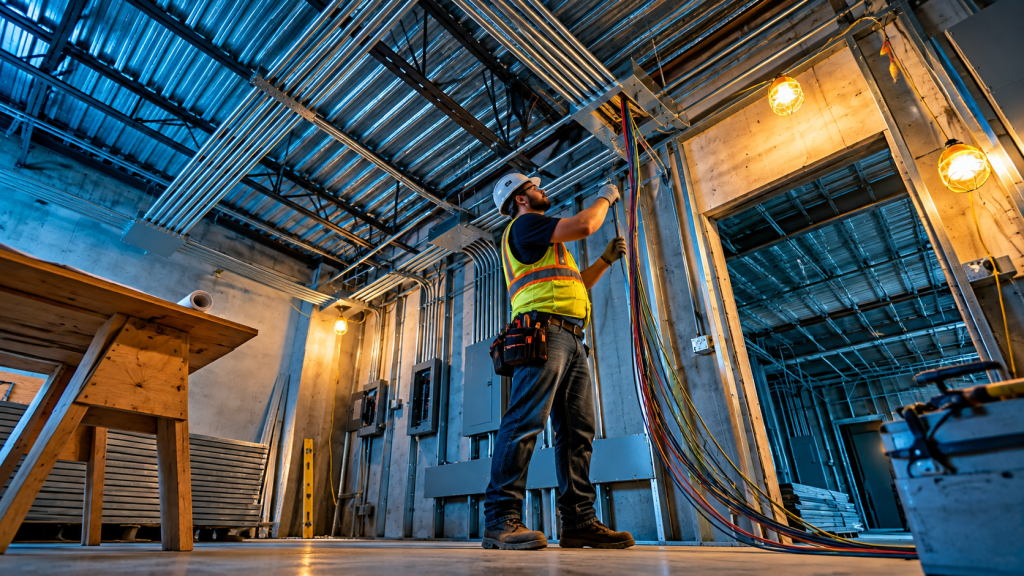
Life science demand has led many owners to convert offices into labs. These projects are among the hardest tenant improvements in the region. After all, labs need far more power than offices. They also need backup power and close teamwork with mechanical crews.
As a result, conversions often need service upgrades and new electrical rooms. Because utility work can take months, early planning is essential. Our service upgrade guide explains this process.
Closeout Records for Bay Area Tenant Improvement Electrical Systems
When the work is done, the paperwork matters. So ask for a full closeout package before final payment. It should include as-built drawings, panel schedules, test reports, and the signed Title 24 forms.
These records help in many ways. For example, the next tenant’s team can see exactly what is in the walls. Similarly, facility staff can find the right breaker in seconds. In addition, the acceptance test reports prove the controls were set up correctly.
Keep digital copies in a shared folder and print copies in the electrical room. Then update them after every change. In short, good records turn each future Bay Area tenant improvement electrical project into a faster, cheaper job.
Budget and Schedule Planning for Bay Area Tenant Improvement Electrical Work
Bay Area labor costs are high, and codes are strict. As a result, electrical work is often a large share of the budget. To plan effectively, get an early estimate based on a site survey and preliminary layout.
Meanwhile, schedules depend on permit review, equipment lead times, and utility coordination. Ordering long-lead items early and submitting complete drawings are the best ways to stay on track. For budget guidance, read our article on electrical costs per square foot.
Frequently Asked Questions
Do reach codes apply to tenant improvements? Sometimes. It depends on the city and the scope of work. Check with your design team early.
Who handles Title 24 forms? Usually the engineer or design-build contractor prepares them, and the installer supports acceptance testing.
Can existing lighting be reused? In some cases. However, altering lighting often triggers updated control requirements.
How much spare panel space should I leave? Many designers leave room for future circuits. In particular, spare spaces help when a team grows or adds equipment after move-in.
When should EV charging be planned? Early, ideally during design. That way, conduit and capacity can be added while walls and trenches are open.
What slows down final inspection most often? Missing acceptance test forms and fire alarm sign-off are common causes. So schedule both well before your target move-in date.
Plan Your Bay Area Build-Out
A successful tenant improvement depends on systems that work together and meet local rules. Visit our Bay Area electrical tenant improvement page to learn more about our work. Then contact our team to plan your space.