The Valley of the Sun is growing fast, and its buildings need power to keep up. New offices, clinics, restaurants, and warehouses open across the metro every month. Behind each one stands an electrical team. Choosing the right Phoenix commercial electrician affects your budget, your schedule, and the safety of everyone inside. This guide explains how to check credentials, compare bids, and find a contractor who can handle Arizona heat and local rules.
What Sets a Phoenix Commercial Electrician Apart
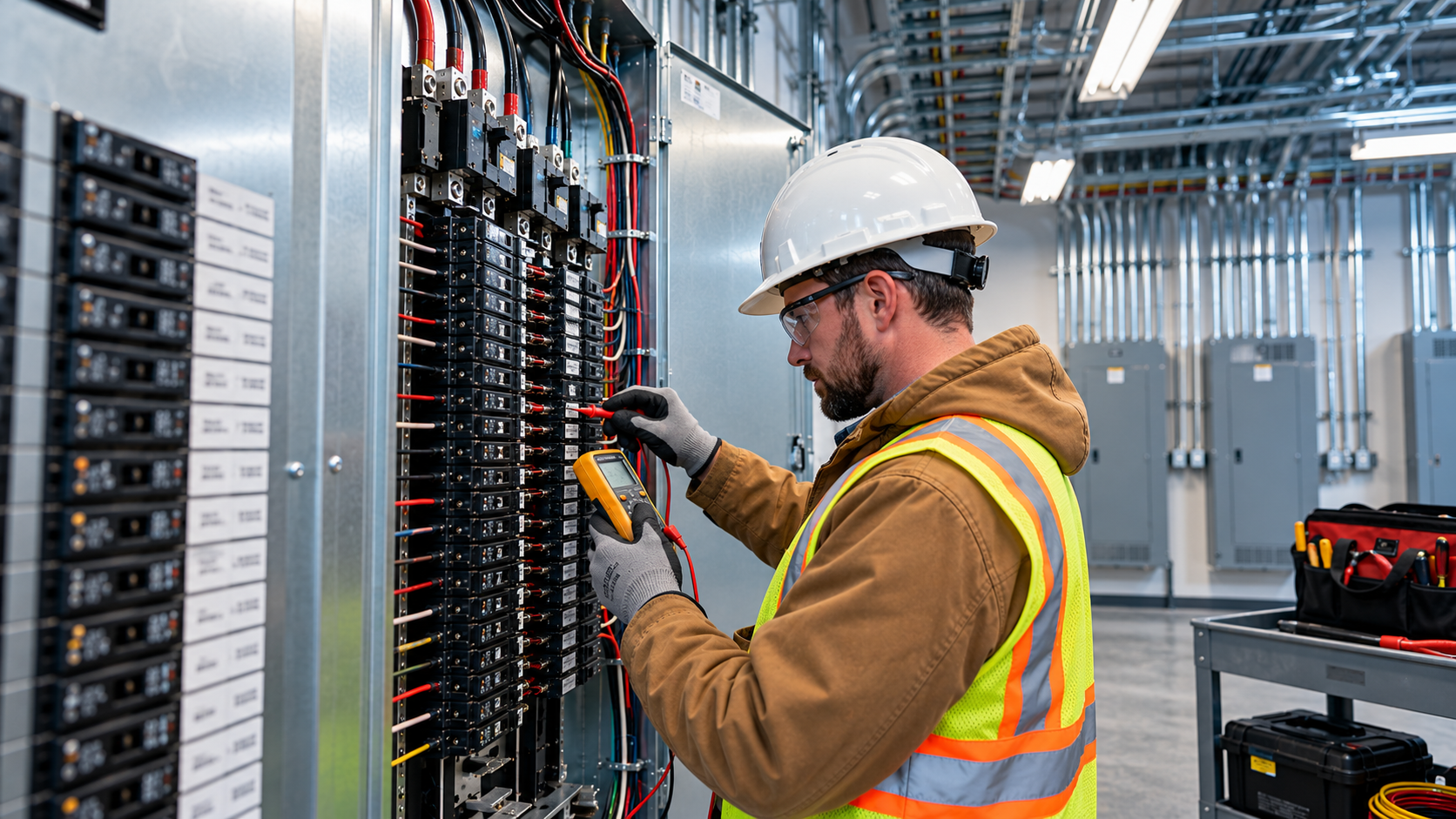
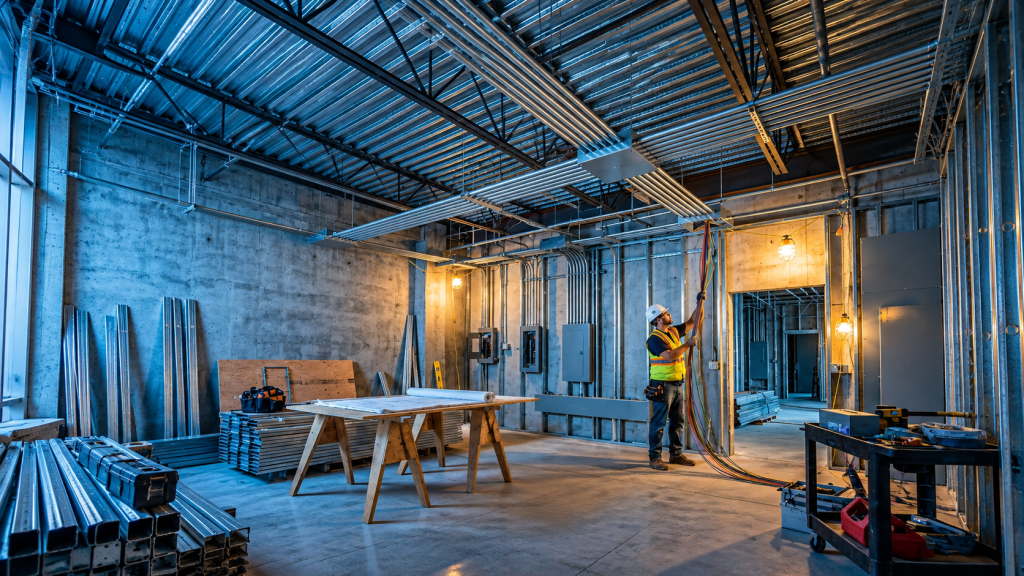
Commercial electrical work goes far beyond outlets and switches. It includes three-phase power, large panels, feeders, lighting controls, fire alarm tie-ins, and service upgrades. In addition, crews must coordinate with general contractors, engineers, inspectors, and utilities.
Phoenix adds a few unique challenges. Extreme summer heat strains both people and equipment. In addition, rapid growth keeps inspectors and suppliers busy. Two different utilities also serve the region. A skilled Phoenix commercial electrician knows how to plan around all of it. As a result, projects stay safer and finish closer to schedule.
Check the Arizona ROC License First
Arizona contractors must hold a license from the Arizona Registrar of Contractors. The ROC uses different license classes for residential, commercial, and dual work. For commercial electrical projects, look for a commercial or dual electrical classification.
Fortunately, the ROC website lets you search any license in minutes. When you look, first confirm the license is active. Then review the complaint history and the bond information. Also make sure the license class matches the work you need. A contractor licensed only for homes should not take on your office build-out.
Confirm Insurance and Safety Practices
Next, request certificates of insurance. You want general liability and workers’ compensation at a minimum. In many cases, landlords also require that they be named as additional insureds. So check your lease before you request the paperwork.
Safety deserves just as much attention. Ask about the company’s safety program, training, and recent safety record. In particular, ask how crews manage heat stress during summer. Good firms shift outdoor work to early mornings, supply water and shade, and train foremen to spot heat illness. These steps protect workers and keep the job moving.
How a Phoenix Commercial Electrician Plans for Heat
Heat affects electrical equipment as much as it affects people. For example, wire and breakers lose capacity as temperatures rise. Similarly, rooftop conduit can get extremely hot in direct sun. Meanwhile, electrical rooms without good ventilation can trap heat and shorten equipment life.
An experienced Phoenix commercial electrician designs with these conditions in mind. They size conductors for high ambient temperatures and avoid long rooftop runs where possible. They also check that electrical rooms have proper cooling. In addition, they choose enclosures and fittings rated for outdoor desert exposure. These choices cost little up front but prevent nuisance trips and early failures.
APS or SRP: Know Your Utility
The Phoenix area is served mainly by two electric utilities. Arizona Public Service covers much of the region, while Salt River Project serves large parts of the East Valley and central Phoenix. Your property’s address decides which one you work with.
This matters for any project that changes your service size, adds a meter, or needs a planned outage. Because each utility has its own application process, design review, and timeline, plans must fit both. Even so, service upgrades can take many weeks or even months. Therefore, your contractor should identify the utility and start coordination early.
Permits Across the Valley
Most commercial electrical work needs a permit. However, Phoenix, Scottsdale, Tempe, Mesa, Chandler, Glendale, and Gilbert each run their own building departments. Unincorporated areas fall under Maricopa County. Each office has its own forms, plan review times, and inspection schedules.
The City of Phoenix handles permits through its Planning and Development Department. Some projects may qualify for faster review paths. A local contractor will know which options fit your project and how to prepare a clean submittal.
Comparing Bids From a Phoenix Commercial Electrician
Price matters, but scope matters more. When bids arrive, compare them line by line. Look for these key details:
- Are permits, inspections, and plan review fees included?
- Does the bid cover fire alarm, data cabling, and temporary power?
- Are fixture or equipment allowances realistic?
- Does the schedule account for long lead times on panels and switchgear?
- How are change orders priced?
If one bid is far lower, ask what it excludes. Often, the gap comes from missing scope. For a closer look at budgets, read our guide to electrical tenant improvement costs per square foot.
References and Track Record
Ask each bidder for three recent projects similar to yours. Then call those references. Specifically, ask whether the work finished on time, whether the budget held, and how the team handled problems.
Also look at the type of buildings the contractor knows best. Medical offices, restaurants, warehouses, and data rooms each have special needs. Matching experience to your project reduces risk and speeds up decisions.

Working With a Phoenix Commercial Electrician After Opening
Your relationship with an electrician should not end at the final inspection. In fact, the months after opening often reveal small issues. For example, a breaker may trip when a new appliance runs, or a sensor may need adjustment. So a good partner returns quickly to fine-tune the system.
Over time, needs also change. You may add equipment, expand into a neighboring suite, or install EV chargers. Therefore, it helps to keep the same Phoenix commercial electrician who built the space. Because they already know the panels and circuits, they can plan changes faster and price them more accurately.
Many owners also set up an annual service visit. During that visit, the technician checks panels, tightens connections, and scans for hot spots before summer. As a result, small problems get fixed early, and surprise outages become rare.
Finally, ask for clear closeout documents at the end of the project. These include panel schedules, as-built drawings, and warranty details. With these records on file, any future work moves faster and costs less.
Red Flags to Avoid
Some warning signs should make you pause. For instance, be careful if a contractor:
- Cannot provide a valid ROC license number.
- Suggests skipping permits to save time.
- Asks for a large upfront cash payment.
- Gives a price without a written scope.
- Avoids questions about insurance or safety.
Any one of these is a concern. Two or more usually mean you should keep looking.
Phoenix Commercial Electrician FAQs
How soon should I contact an electrician for a new lease? Ideally, before you sign. A quick site visit can reveal whether the space has enough power. That knowledge can shape your lease terms and budget.
Can electrical work continue during the summer? Yes. However, crews often adjust hours to avoid the hottest part of the day. Indoor work in conditioned spaces usually continues as normal.
Do I need a separate contractor for low-voltage cabling? Not always. Many electrical firms handle data, security, and access control too. Using one team simplifies coordination. Learn more on our low-voltage and data cabling page.
What happens if my building needs more power? In that case, your electrician will run a load study and request a service change from APS or SRP. Because the utility process takes time, start it as early as possible.
Build Your Project With Confidence
Hiring the right team takes some effort up front. Still, it pays off in fewer delays, safer systems, and lower lifetime costs. Check the license, compare full bids, and ask about heat and utility plans. Then choose the Phoenix commercial electrician who understands your building and your goals.
Learn more about our Phoenix electrical tenant improvement work, or contact our team to schedule a site visit.