Building out a commercial space in Los Angeles takes more than a good design. It takes a team that understands plan check, energy forms, building rules, and tight schedules. Experienced LA tenant improvement electricians keep these pieces moving so you can open on time. This article explains how a typical project unfolds, from the first site walk to move-in day. It also covers the local details that most often cause delays.
Why LA Tenant Improvement Electricians Need Local Know-How
Tenant improvement work happens in every city. Yet Los Angeles has its own rhythm. Plan check can take weeks. High-rise buildings set strict rules for deliveries and work hours. In addition, California’s energy code adds forms and testing that many other states do not require.
Because of this, local experience saves time and money. LA tenant improvement electricians who work here every day know which details reviewers flag. They also know how building managers prefer to schedule shutdowns. As a result, fewer surprises appear once work starts.
The First Site Walk
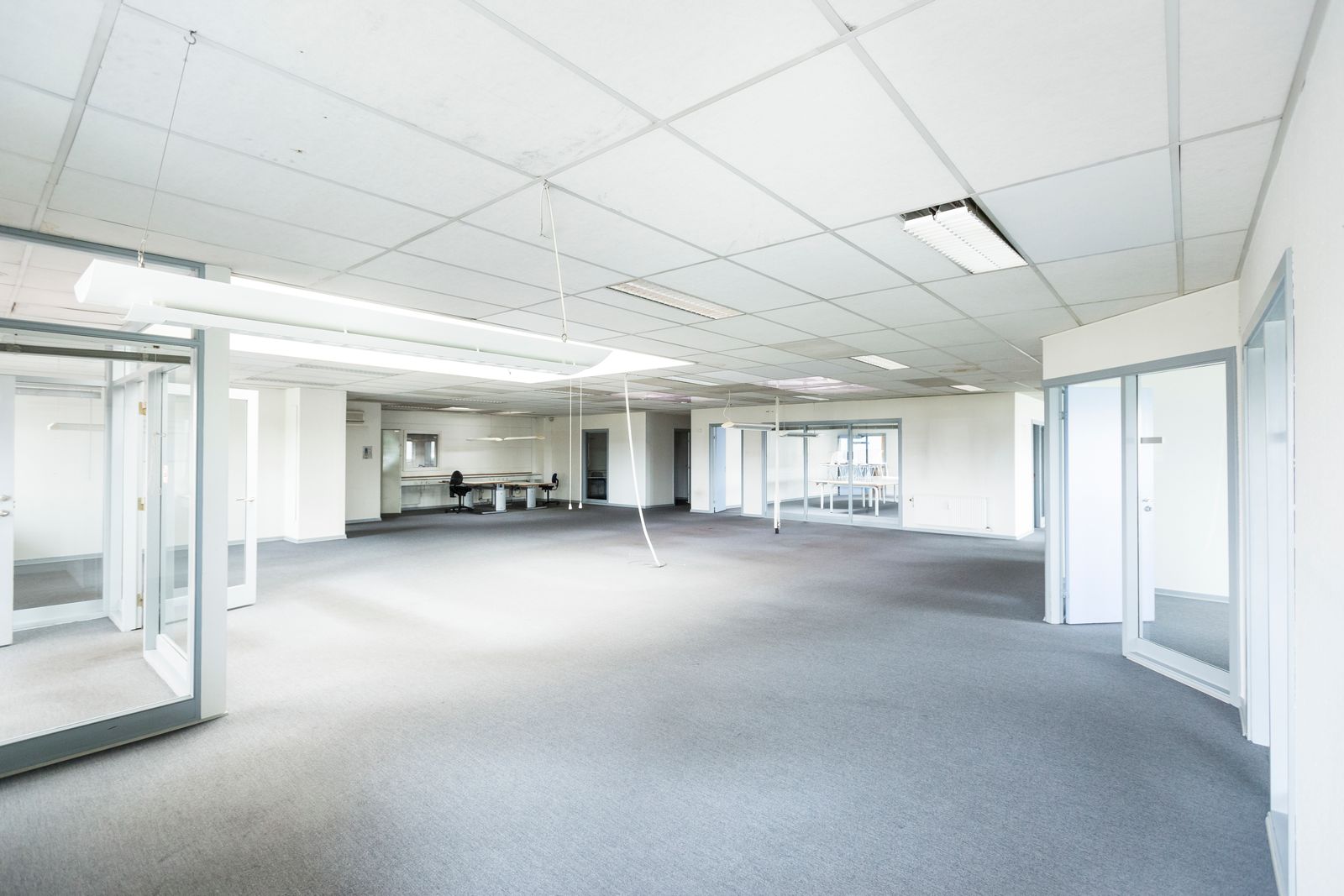
Every good project starts with a careful look at the space. During the walk, the electrician checks the main panel, available capacity, and existing circuits. They also look at lighting, fire alarm devices, and data pathways.
In second-generation spaces, much of the existing gear may be reusable. However, some of it may not meet current code. The walk helps identify what stays, what goes, and what needs upgrading. It also reveals hidden costs, such as an undersized service or outdated panels.
Design and Drawings
Next, an engineer or design-build team prepares electrical drawings. These include power plans, lighting plans, panel schedules, and load calculations. They also include Title 24 lighting compliance documents.
Clear drawings lead to fewer questions during plan check. They also lead to more accurate bids. For that reason, involve your electrical team early in design. Their field input can catch conflicts with HVAC, plumbing, and ceilings before they become costly problems. To learn more about the full scope, see our overview of tenant improvement electrical contracting.
Navigating LADBS Plan Check
In the City of Los Angeles, the Department of Building and Safety reviews plans before issuing permits. Some small projects qualify for express or counter review. Larger tenant improvements, however, usually go through full plan check.
Reviewers check code compliance, load calculations, and energy forms. If they find issues, they return comments. The design team then revises the drawings and resubmits. Each round adds time. So complete, well-coordinated drawings are the fastest path to approval. You can find current requirements on the LADBS website.
How LA Tenant Improvement Electricians Handle Title 24 Forms
California’s energy code applies to most lighting work. During design, the team prepares compliance forms that show the lighting meets power limits and includes required controls. Then, near the end of construction, many projects need acceptance testing.
Acceptance testing confirms that controls work as designed. A certified acceptance test technician checks occupancy sensors, daylight controls, and automatic shutoff. The results go to the inspector before final approval. LA tenant improvement electricians who plan for this step avoid last-minute delays at the end of the job.
High-Rise Logistics
Many tenant improvements happen in Downtown, Century City, and Westside towers. These buildings have strict rules. Deliveries must be booked through the loading dock. Freight elevators may only be available at certain times. Noisy work, such as core drilling, often must happen after hours.
Shutdowns need special care, too. Shared risers and fire alarm systems mean that one tenant’s work can affect others. Therefore, building engineers must approve and attend most shutdowns. Planning these details early keeps the schedule on track.
Rough-In and Coordination
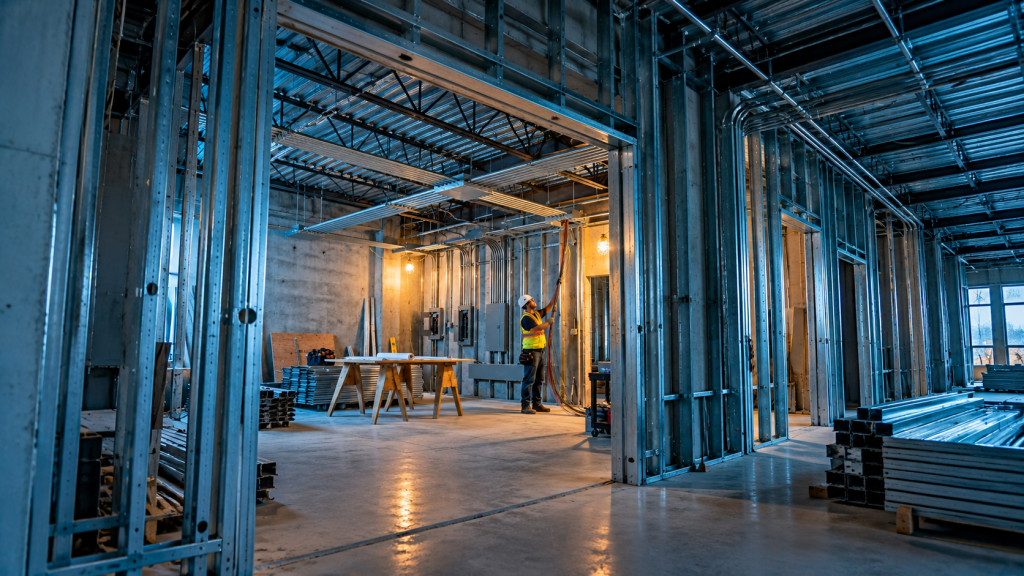
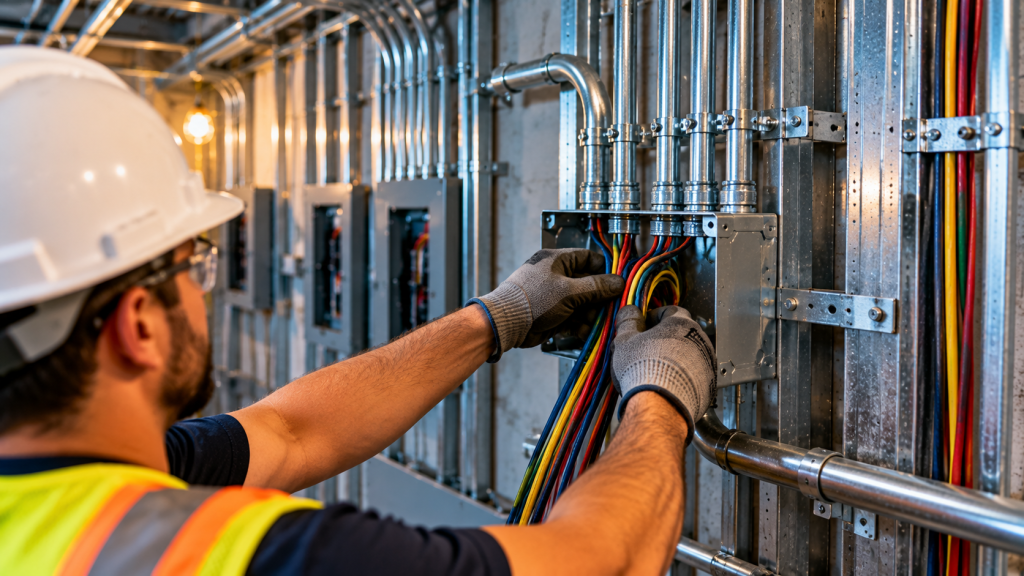
Once permits are issued, rough-in begins. Electricians run conduit, set boxes, and pull wire in walls and ceilings. They also install new panels and feeders and rough in low-voltage pathways for data and security.
Coordination is vital at this stage. Ceiling space is limited, and many trades need it. Regular meetings with the general contractor, HVAC crew, and plumbers help avoid clashes. Good LA tenant improvement electricians also check their work before inspections to reduce corrections.
Final Inspections for LA Tenant Improvement Projects
Most projects have at least two major electrical inspections. The first comes at rough-in, before walls close. The second comes at final, after devices and fixtures are installed. Fire alarm work usually needs separate review and testing as well.
After all approvals, the building department signs off on the permit. Only then can the space legally open. Build a small buffer into your schedule for this phase. It is common for final inspections to need a short wait.
Common Causes of Delay
Most delays follow familiar patterns. For example:
- Late equipment selections that force redesigns.
- Long lead times on panels, transformers, or specialty fixtures.
- Plan check comments that require several rounds of revisions.
- Building restrictions on work hours and deliveries.
- Utility service changes that take longer than expected.
Most of these can be managed with early planning and a responsive team. Share your equipment list early, approve submittals quickly, and order long-lead gear as soon as possible.
Choosing LA Tenant Improvement Electricians
When you compare contractors, look for an active C-10 license, strong insurance, and recent tenant improvement experience. Ask for references from projects in similar buildings. In addition, ask how they handle plan check, Title 24 forms, and high-rise logistics.
Communication matters too. You want a team that sends regular updates and flags problems early. That kind of partner turns a stressful build-out into a smooth one. Finally, ask who will lead your job in the field. A steady foreman who knows the building, the inspector, and the other trades is often the biggest factor in a fast, clean finish.
LA Tenant Improvement Electricians: Common Questions
How long does LADBS plan check take? Review times vary with project size, workload, and the quality of the drawings. Simple projects may move quickly, while larger ones can take several weeks or more. Complete, coordinated drawings are the best way to speed things up.
Can electrical work start before the permit is issued? Generally, no. Demolition of non-structural finishes may be allowed in some cases. However, new electrical work should wait for an approved permit to avoid fines and rework.
Who pays for electrical work in a tenant improvement? That depends on your lease. Many landlords offer a tenant improvement allowance to cover part of the build-out. Read your work letter closely, and ask your broker to clarify what the landlord provides.
What if my space needs more power than the building has? Then the landlord, the utility, and your electrician must work together. Sometimes spare capacity exists elsewhere in the building. Otherwise, a service upgrade may be required, which adds both cost and time.
Do I need acceptance testing on a small project? If your project installs or alters lighting controls, acceptance testing is often required. Your electrician can confirm this during design so the testing is planned from the start.
Plan Your Space With Confidence
A tenant improvement is a big step for any business. With the right electrical team, it can also be a smooth one. Learn more about our Los Angeles electrical tenant improvement work, or read about typical electrical costs per square foot. Then contact our team to schedule a site walk.