Many buildings in Los Angeles were wired for a different era. They were designed before LED lighting, electric kitchens, EV chargers, and heat pumps became common. Today, new rules and new technology are pushing owners to modernize. Smart planning for commercial electrical upgrades Los Angeles properties need can lower energy costs, improve safety, and raise property value. This guide explains the main drivers, the most common upgrades, and how to build a roadmap that fits your budget.
Why Commercial Electrical Upgrades in Los Angeles Are Rising
Several forces are coming together at once. First, California keeps tightening its energy code. Second, state and local policies encourage buildings to move away from natural gas. Third, tenants now expect EV charging, modern lighting, and reliable power for technology.
In addition, much of the local building stock is aging. Many offices and retail centers date to the 1960s, 1970s, and 1980s. Their panels, switchgear, and wiring are near the end of their useful life. As a result, owners face a growing list of commercial electrical upgrades Los Angeles codes and tenants now expect.
Title 24 Lighting Upgrades in Los Angeles
California’s Title 24, Part 6, sets strict rules for lighting power and controls. When you replace or alter lighting, the new work generally must comply. That usually means LED fixtures, occupancy sensors, daylight dimming near windows, and automatic shutoff.
These upgrades often pay for themselves. LED fixtures use far less energy than fluorescent lamps. Meanwhile, controls cut wasted hours of lighting in empty rooms. Many projects also qualify for utility rebates, which makes lighting one of the easiest commercial electrical upgrades in Los Angeles to justify. To learn more about controls, visit our page on commercial lighting and controls. For the state rules, see the California Energy Commission’s building standards page.
Building Electrification
Electrification means replacing gas equipment with electric equipment. Common examples include heat pumps for heating, heat pump water heaters, and electric kitchen equipment. As a result, these changes reduce emissions and can simplify building systems.
However, electrification adds electrical load. A building that once burned gas for heat now draws that energy from the grid. Therefore, a load study is the first step. It shows whether the existing service can handle the new equipment. If not, a panel or service upgrade becomes part of the plan.
EV Charging for Tenants and Fleets
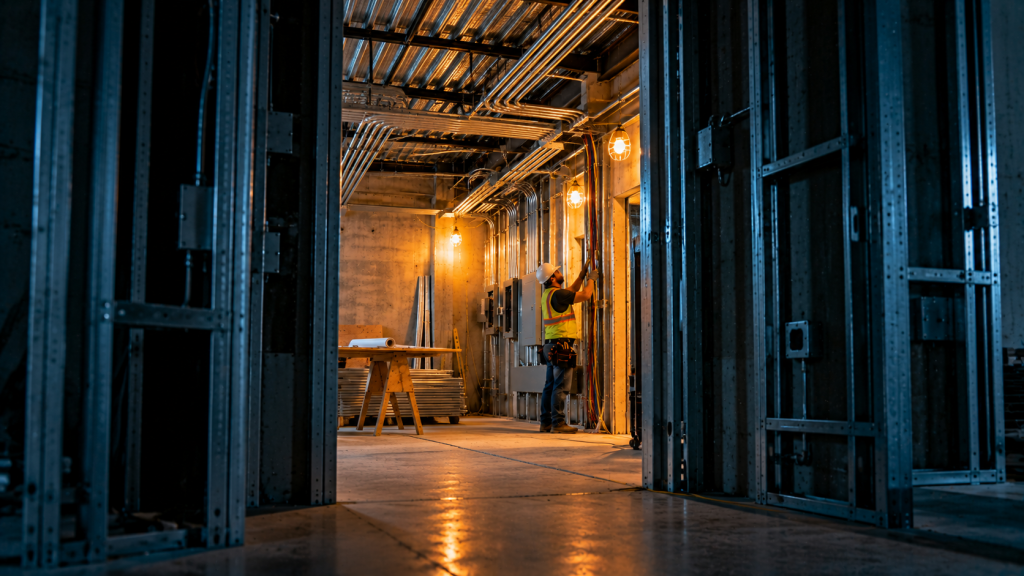
Electric vehicles are everywhere in Southern California. Tenants want charging at work, and fleet operators need it for delivery vans and trucks. In addition, California’s green building code requires new and certain altered parking areas to include EV-ready or EV-capable spaces.
The smart approach is to plan for growth. Install conduit and capacity for future chargers while trenches and walls are open. Then use load management to share power among stations, a common feature in commercial electrical upgrades across Los Angeles parking garages. This keeps upfront costs lower and avoids a second round of construction later. Thoughtful commercial electrical upgrades Los Angeles owners make today will support many more chargers tomorrow.
Electrical Upgrades for Aging Los Angeles Panels
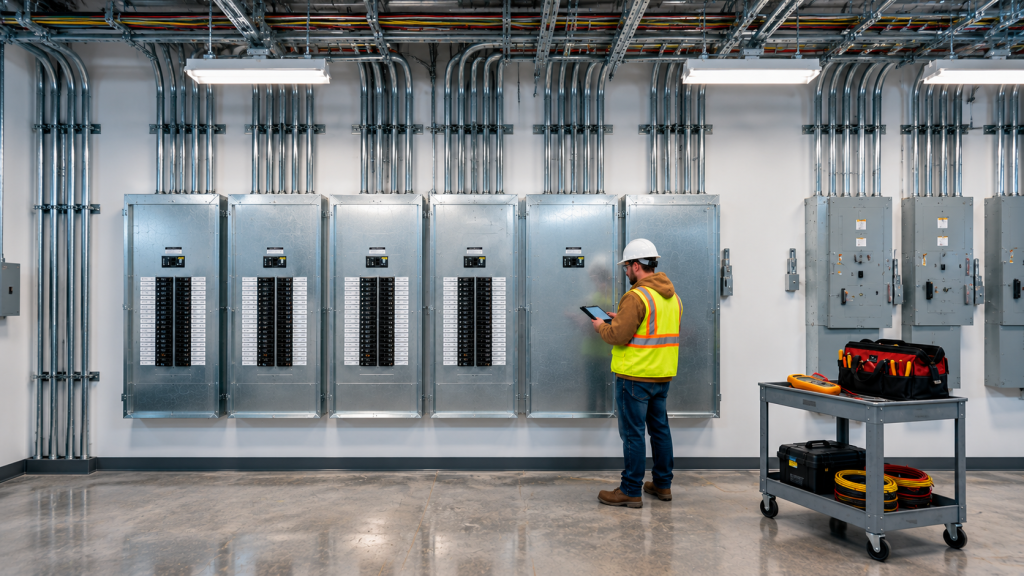
Old electrical gear is a real risk. Some older panel brands have known problems with breakers that fail to trip. Others are simply too old to find parts for. Corroded bus bars and loose connections can overheat and start fires.
Signs that gear needs attention include frequent trips, warm panel covers, visible rust, and missing breaker labels. An infrared scan can find hidden hot spots. When replacement makes sense, plan the shutdown carefully. Our guide to commercial electrical service upgrades explains the process in detail.
Seismic Considerations for Electrical Equipment
Earthquakes are a fact of life in Los Angeles. Electrical equipment must be anchored so it stays in place during shaking. Large panels, transformers, and switchgear need proper bolting and bracing. In some cases, conduit and cable tray need seismic supports as well.
These details matter, because poorly anchored equipment can tip over, break connections, and cut power when you need it most. Because of this, seismic anchoring should be part of every major upgrade plan. An experienced contractor follows the engineer’s anchoring details and checks them during installation.
Solar, Storage, and Demand Management
Many commercial roofs and parking lots in Los Angeles are well suited to solar. Pairing solar with battery storage can reduce peak demand charges and provide backup power. Some owners also use smart controls to shift loads to cheaper hours.
However, these systems require careful tie-ins to the main service and approval from the utility. Depending on the address, that utility is LADWP or Southern California Edison. Each has its own interconnection rules and timelines. So start the conversation early.
Building a Roadmap for Commercial Electrical Upgrades in Los Angeles
You do not have to do everything at once. In fact, a phased plan often works best. Here is a simple framework:
- Assess: Start with a site survey, load study, and infrared scan.
- Prioritize: Fix safety issues first, then code-driven needs, then savings projects.
- Bundle: Combine work that needs the same shutdown or permit.
- Time it: Align upgrades with lease turnovers, roof replacements, or major repairs.
- Fund it: Look for utility rebates, incentive programs, and financing options.
A phased roadmap spreads costs over several years. It also avoids paying twice for work that could have been done together.
Budgeting and Return on Investment
Costs depend on building size, equipment age, and the scope of work. Lighting upgrades usually offer the fastest payback. Service upgrades and switchgear replacement cost more but prevent serious risks. EV charging and solar can add value and attract tenants.
When comparing options, look beyond the upfront price. Consider energy savings, maintenance costs, rebates, and tenant demand. A clear return-on-investment estimate helps owners and lenders make better decisions about commercial electrical upgrades Los Angeles buildings need.
Permits and Inspections
Most electrical upgrades need a permit. In the City of Los Angeles, that means working with LADBS. Neighboring cities have their own departments. Projects that involve lighting usually need Title 24 forms, and some need acceptance testing by a certified technician.
A qualified contractor will handle permits, forms, and inspections for you. They will also coordinate any utility shutdowns. This saves you time and helps the project pass on the first try.
Commercial Electrical Upgrades FAQs for Los Angeles Owners
Which upgrade should I do first? Start with safety. Fix overheating gear, damaged wiring, and failing breakers before anything else. After that, address code-driven needs and then projects that save energy.
Will electrification force me to upgrade my service? Not always. Some buildings have spare capacity, especially after an LED retrofit lowers lighting load. Still, a load study is the only way to know for sure.
Are there incentives for these upgrades? Often, yes. Utilities and state programs offer rebates for efficient lighting, controls, heat pumps, and EV charging. Because programs change often, check current offers before you finalize your budget.
Can upgrades happen while tenants stay in the building? In most cases, yes. For example, crews can phase work floor by floor and schedule shutdowns at night or on weekends. Clear notice and good planning keep disruption low.
How long will new equipment last? Well-maintained panels and switchgear can serve for decades. Meanwhile, LED fixtures often run for many years before they need replacement. Regular maintenance helps every upgrade deliver its full value.
Start Planning Your Upgrade
Upgrading an older building is one of the smartest investments an owner can make. It improves safety, cuts costs, and keeps your property competitive. To learn more about our local work, visit our Los Angeles electrical tenant improvement page. Then contact us to schedule a building assessment.