Modern buildings run on far more than lights and outlets. Fire alarms, access control, cameras, building automation, EV chargers, and solar panels all depend on electrical work. That is why Las Vegas commercial electrical contractors now act as building systems partners, not just wire pullers. When these systems are planned together, buildings run safer and cost less to operate. When they are planned apart, owners pay for rework and endless troubleshooting. This article explains how each system fits into one coordinated plan.
The Core: Power Distribution
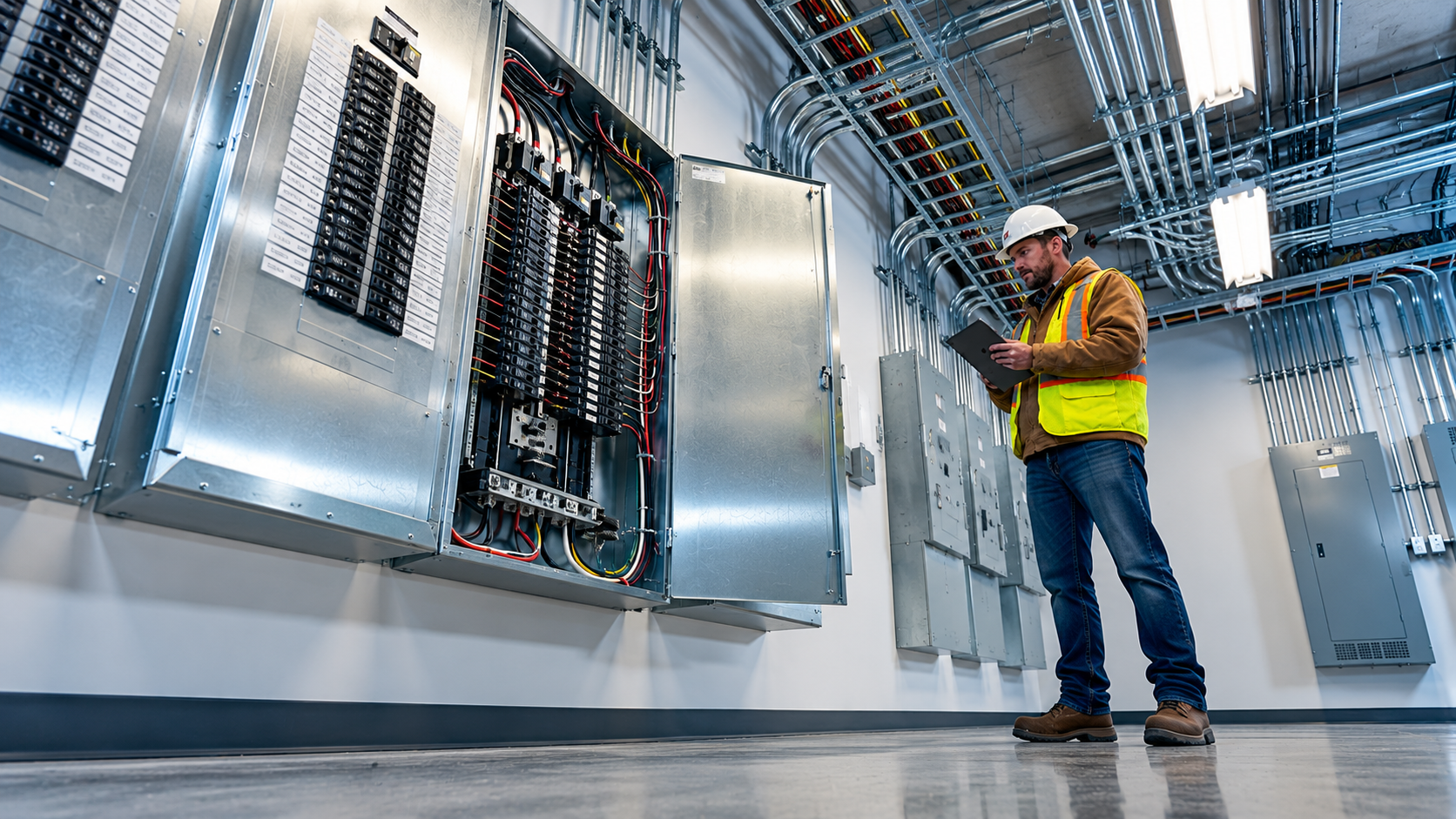
Every building system starts at the electrical service. Power enters from the utility, passes through switchgear or a main panel, and then feeds smaller panels throughout the building. Transformers step voltage down for lights and outlets.
Consequently, getting this backbone right matters for everything else. If the service is too small, there is no room for chargers or new equipment later. If panels sit in the wrong place, long feeders drive up costs. So the best Las Vegas commercial electrical contractors start with a load study and a growth plan. They size the system for today and leave room for tomorrow.
Fire Alarm Systems
Fire alarm work is one of the most regulated parts of any project. Systems include smoke detectors, pull stations, horns, strobes, and a control panel. They also tie into sprinklers, elevators, door hardware, and kitchen hood suppression.
In Las Vegas, many large buildings have complex fire alarm networks. Even a small tenant suite often needs devices added or moved. Because the fire department reviews and tests these systems, plans must be exact. In addition, crews must avoid false alarms during work, which can trigger costly responses. Coordination with the fire alarm vendor and building management is essential.
How Las Vegas Commercial Electrical Contractors Tie In Controls
Building automation systems manage heating, cooling, lighting, and energy use from one place. In a desert climate, smart HVAC control can cut energy costs sharply. Lighting controls add more savings with sensors, schedules, and daylight dimming.
In most projects, electricians install the power, the control wiring, and often the devices themselves. They also coordinate with controls programmers so each sensor and relay works as planned. Skilled Las Vegas commercial electrical contractors label every point and test it before handover. That makes future changes much easier. For more on this topic, see our page on commercial lighting controls.
Low-Voltage, Security, and Data
Today, network cabling ranks among the most important systems in any building. Offices need fast, reliable data at every desk. Retail stores need point-of-sale networks. Casinos and hotels need vast camera systems and secure access control.
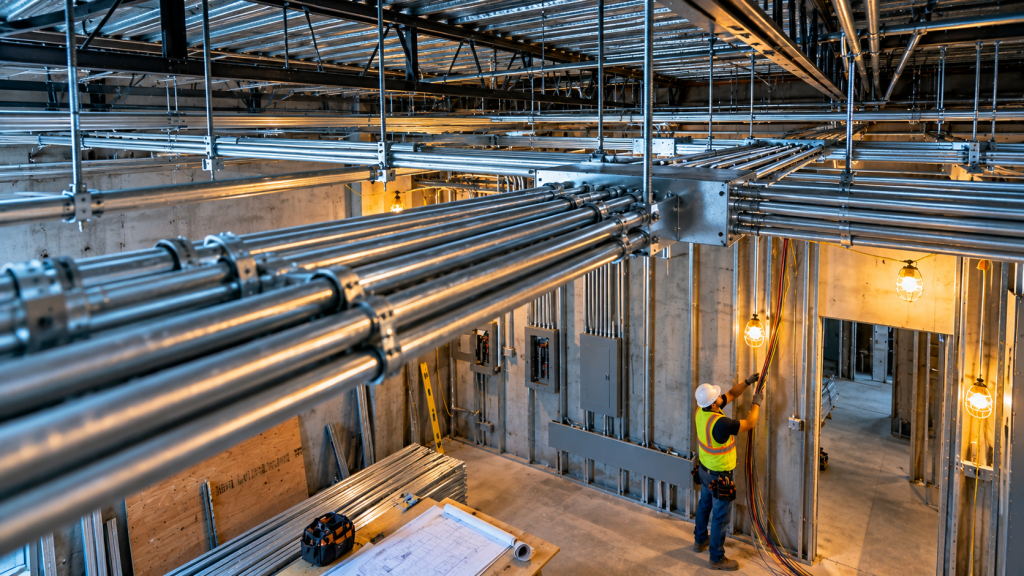
In practice, low-voltage work includes data cabling, wireless access points, cameras, card readers, intercoms, and audio-visual systems. These systems need clean pathways, proper separation from power wiring, and good documentation. Many owners prefer one contractor for both power and low-voltage. That way, one team owns the whole pathway plan. Learn more on our low-voltage and data cabling page.
Backup Power From Las Vegas Commercial Electrical Contractors
Many buildings need power when the grid goes down. Hospitals, data rooms, and high-rise buildings often require generators by code. Other owners add backup power to protect revenue or refrigerated stock.
A generator system includes the generator, fuel supply, transfer switches, and dedicated emergency circuits. Emergency lighting and exit signs also play a role. They must keep working long enough for people to leave safely. Testing these systems on a schedule is critical, too. Monthly and annual tests catch weak batteries, stuck transfer switches, and fuel problems before a real outage exposes them. Las Vegas commercial electrical contractors often handle both installation and ongoing testing.
EV Charging Infrastructure
Electric vehicle charging has moved from a perk to an expectation. Office tenants, hotel guests, and fleet operators all want it. However, chargers draw a lot of power, especially fast chargers.
Planning is the key. A smart design looks at current demand and future growth. It may include load management that shares power among chargers. It also places conduit for future stations now, while trenches are open. Adding charging later without a plan often means a costly service upgrade.
Solar and Energy Storage
Las Vegas gets abundant sunshine year round, which makes solar a strong fit for many commercial roofs and parking areas. Carport solar arrays also provide shade, a real bonus in summer.
Solar systems need inverters, disconnects, and careful tie-ins to the main service. Battery storage can add backup power and help manage peak demand charges. In addition, every solar project requires approval from the utility before it can run. For details on interconnection, review guidance from NV Energy.
Why Las Vegas Commercial Electrical Contractors Plan Systems Together
Each system above depends on the others. For example, fire alarms shut down air handlers. Access control unlocks doors when the alarm sounds. Lighting controls talk to the building automation system. EV chargers and solar both affect the main service.
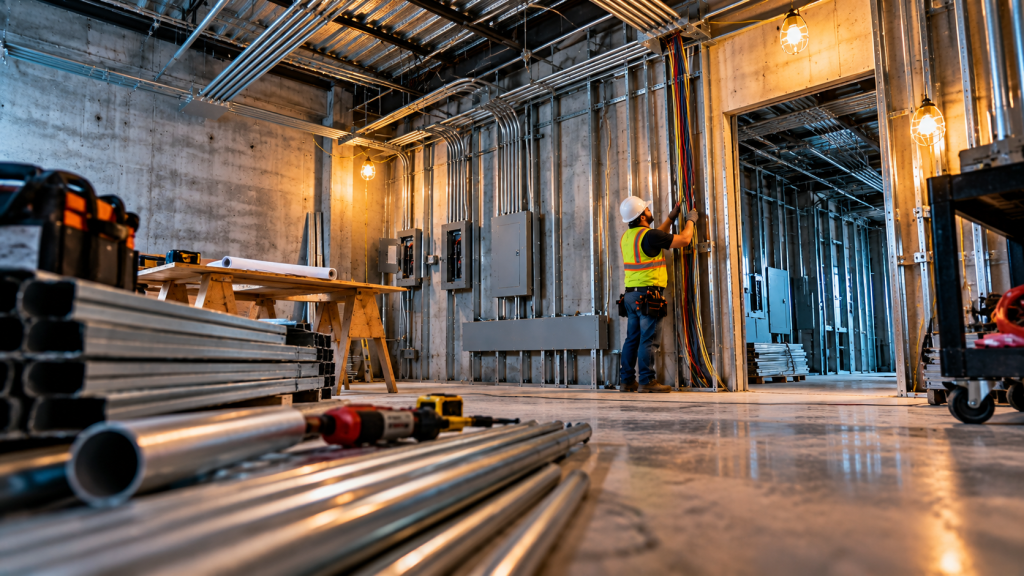
When separate vendors install these systems with no shared plan, problems pile up. Pathways clash, panels run out of space, and nobody owns the integration. In contrast, a single coordinated plan avoids these gaps. That is why experienced Las Vegas commercial electrical contractors lead early coordination meetings with every trade. They map out space, power, and control needs before anyone starts work.
Documentation and Long-Term Support
Complex systems need clear records. At closeout, owners should receive as-built drawings, panel schedules, device lists, and test reports. Network and controls documentation should be included, too.
As a result, good records cut troubleshooting time and make future upgrades easier. They also help new facility staff learn the building quickly. Many owners choose a long-term service agreement with their installer for this reason. That way, the same people who built the systems can keep them tuned, tested, and ready for the next tenant.
Questions to Ask Las Vegas Commercial Electrical Contractors
Before you hire a building systems partner, ask a few pointed questions. Their answers will show how well they handle complex work.
- Do you self-perform fire alarm and low-voltage work, or do you subcontract it?
- How do you coordinate with controls programmers and HVAC vendors?
- What testing do you perform before handing over each system?
- Can you share examples of projects that combined solar, storage, and EV charging?
- Who maintains the documentation after the job is complete?
Strong firms answer these with specific examples. They also explain who on their team owns each system. In contrast, weaker firms give general promises with few details.
It also helps to ask about service after the project ends. Systems change as tenants come and go. So a partner who can return, adjust settings, and add devices will save you time for years. Many owners set up a yearly service plan that covers testing, small changes, and quick response to problems.
Finally, ask how they handle work in occupied buildings. Systems work often happens while tenants and guests are present. Clear notice, clean work areas, and careful shutdown planning keep everyone safe and comfortable.
Build Smarter From the Start
Today’s buildings are only as good as their systems. By planning power, safety, controls, and energy together, you get a building that works better and costs less to run. To see how we approach this work locally, visit our Las Vegas electrical tenant improvement page. Then contact our team to discuss your building systems plan.