Finding the right Las Vegas commercial electrician can make or break your next project. The city moves fast, and so do its build-outs. Casinos refresh gaming floors overnight. Retail tenants open on tight lease deadlines. Meanwhile, summer heat pushes every electrical system to its limit. So the contractor you choose needs more than a license. They need local know-how, strong crews, and a clear plan. This guide walks you through how to hire with confidence.
Why the Right Las Vegas Commercial Electrician Matters
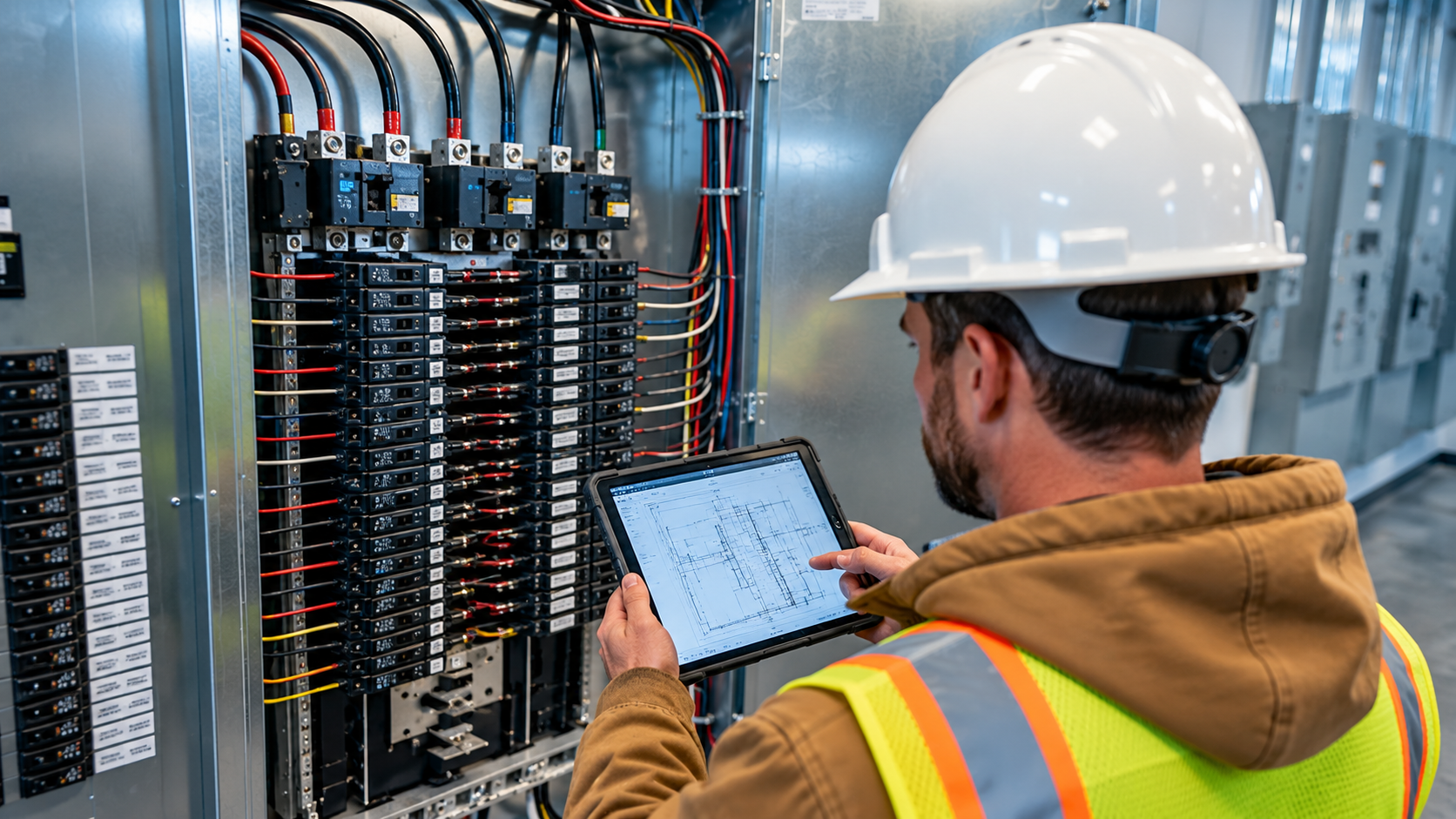
Commercial electrical work is not a bigger version of home wiring. It involves three-phase power, larger panels, fire alarm tie-ins, and strict code rules. In addition, the work often happens inside occupied buildings. A small mistake can shut down a restaurant, a store, or an entire office floor.
Las Vegas adds its own twist. Many properties run 24 hours a day. Because of that, crews often work at night or in short shutdown windows. A Las Vegas commercial electrician who knows these patterns will plan around them. As a result, you avoid lost revenue and angry tenants.
Start With Licensing and Insurance
First, confirm that any Las Vegas commercial electrician you consider holds an active Nevada license. The Nevada State Contractors Board issues licenses and lets you search them online. Look for an electrical classification that matches your scope. Also check the license limit, because Nevada sets a monetary cap on the size of jobs a contractor can take.
Next, ask for proof of insurance. At a minimum, you want general liability and workers’ compensation coverage. For larger jobs, ask about umbrella coverage too. Then request a certificate that names you or your landlord as an additional insured. Finally, ask whether the company carries a surety bond. Most serious firms will send all of this within a day.
Experience That Matches Your Building Type
Not every contractor fits every project. For example, a team that excels at warehouse lighting may struggle with a high-end restaurant. Therefore, ask each bidder for recent jobs that look like yours. Good questions include:
- Have you worked in buildings of this size and age?
- Have you handled projects for hospitality, retail, medical, or office tenants?
- Do you have experience with gaming floors or other 24-hour spaces?
- Can you share two or three references from property managers?
Also ask who will run your job day to day. The sales pitch matters less than the foreman who shows up on site. If possible, meet that person before you sign.
How a Las Vegas Commercial Electrician Handles Desert Heat
Heat is the silent enemy of electrical gear. Summer highs in the valley often top 110 degrees. Rooftop equipment gets even hotter. Consequently, wire, breakers, and transformers all lose capacity as temperatures rise.
A skilled Las Vegas commercial electrician plans for this from day one. They size conductors with heat in mind. They also keep conduit off hot rooftops when they can. In addition, they check that electrical rooms have enough cooling and airflow. These steps cost little up front. However, they prevent nuisance trips, early failures, and fire risk later.
Heat also affects your crew schedule. Outdoor work often shifts to early mornings in July and August. So ask how the contractor protects workers and keeps the schedule on track during heat waves.
Comparing Bids the Smart Way
Price matters, but the lowest number is rarely the best deal. Instead, line up each bid side by side. Then check what each one includes. Look closely at these items:
- Scope: Does the bid cover permits, fire alarm work, low-voltage cabling, and temporary power?
- Allowances: Are fixture or gear allowances realistic, or set low to win the job?
- Exclusions: What does the contractor leave out? Patching, painting, and after-hours work are common gaps.
- Schedule: How many weeks does each bidder need, and how many crews will they assign?
- Lead times: Has the contractor checked availability on panels, transformers, and switchgear?
If one Las Vegas commercial electrician comes in far below the rest, ask why. Sometimes the contractor found a smarter approach. More often, however, they missed part of the scope. Those gaps tend to return later as change orders.
For a sense of typical pricing, see our guide to electrical tenant improvement cost per square foot. It explains the main cost drivers in plain terms.
Permits, Inspections, and Local Rules
Most commercial electrical work in the valley needs a permit. Depending on the address, that permit may come from the City of Las Vegas, Clark County, Henderson, or North Las Vegas. Each office has its own plan review process and inspection calendar. Because of this, local experience saves real time.
A licensed Las Vegas commercial electrician should pull permits under their own license. They should also attend every inspection and fix any corrections fast. If a bidder suggests skipping a permit to save money, walk away. Unpermitted work can void insurance, delay your certificate of occupancy, and create problems when you sell or refinance.
Utility coordination is another key step. NV Energy handles service changes and new meters for most of the region. When your project needs more power, the lead time can stretch for months. So a good contractor raises this early, not after the walls are closed.
Questions to Ask Before You Hire a Las Vegas Commercial Electrician
Before you sign, sit down with your top two choices. Then ask direct questions and listen closely to the answers. Here is a short list to start with:
- Who is my main point of contact, and how fast do you respond?
- How do you price change orders, and what markup do you use?
- What is your safety record, and do you hold regular safety meetings?
- Do you self-perform the work, or do you use subcontractors?
- How do you handle work in occupied or 24-hour buildings?
- What warranty do you offer on labor and materials?
Clear, confident answers are a good sign. Vague replies, on the other hand, often point to weak systems behind the scenes.

Red Flags When Hiring a Las Vegas Commercial Electrician
Some warning signs show up early. For instance, be careful if a contractor:
- Asks for a large cash deposit before any work starts.
- Cannot show a license number or proof of insurance.
- Pushes you to sign the same day.
- Has no written scope, only a lump-sum price.
- Gets defensive when you ask for references.
Any one of these should slow you down. Two or more usually mean you should move on.
What a Strong Working Relationship Looks Like
The best projects run on clear communication. Your electrician should send short weekly updates. Those updates should cover progress, upcoming shutdowns, and any open questions. In addition, they should flag problems early, while there is still time to fix them cheaply.
Good contractors also work well with the rest of the team. They coordinate with HVAC, plumbing, and framing crews. They respect the general contractor’s schedule. Finally, they leave a clean site every day. Over time, this kind of partner becomes a real asset. Many Las Vegas property owners keep the same electrical contractor for years because of it.
Ready to Start Your Project?
Hiring well takes a little effort up front. Still, that effort pays off in fewer delays, safer systems, and lower long-term costs. Check the license, compare full bids, and ask hard questions. Then choose a Las Vegas commercial electrician who understands local buildings and local heat.
To learn more about our local work, visit our page on electrical tenant improvements in Las Vegas. You can also browse our full list of commercial electrical services. When you are ready, contact our team to talk through your scope and timeline.